
Level 1 and Level 2 chimney inspections in Readington Township, NJ
A Level 1 inspection covers everything readily visible and reachable on a chimney you use the way you always have. A Level 2 adds a video scan of the whole flue: the inspection most home sales and fuel conversions in Readington Township call for. Both end with a written report.
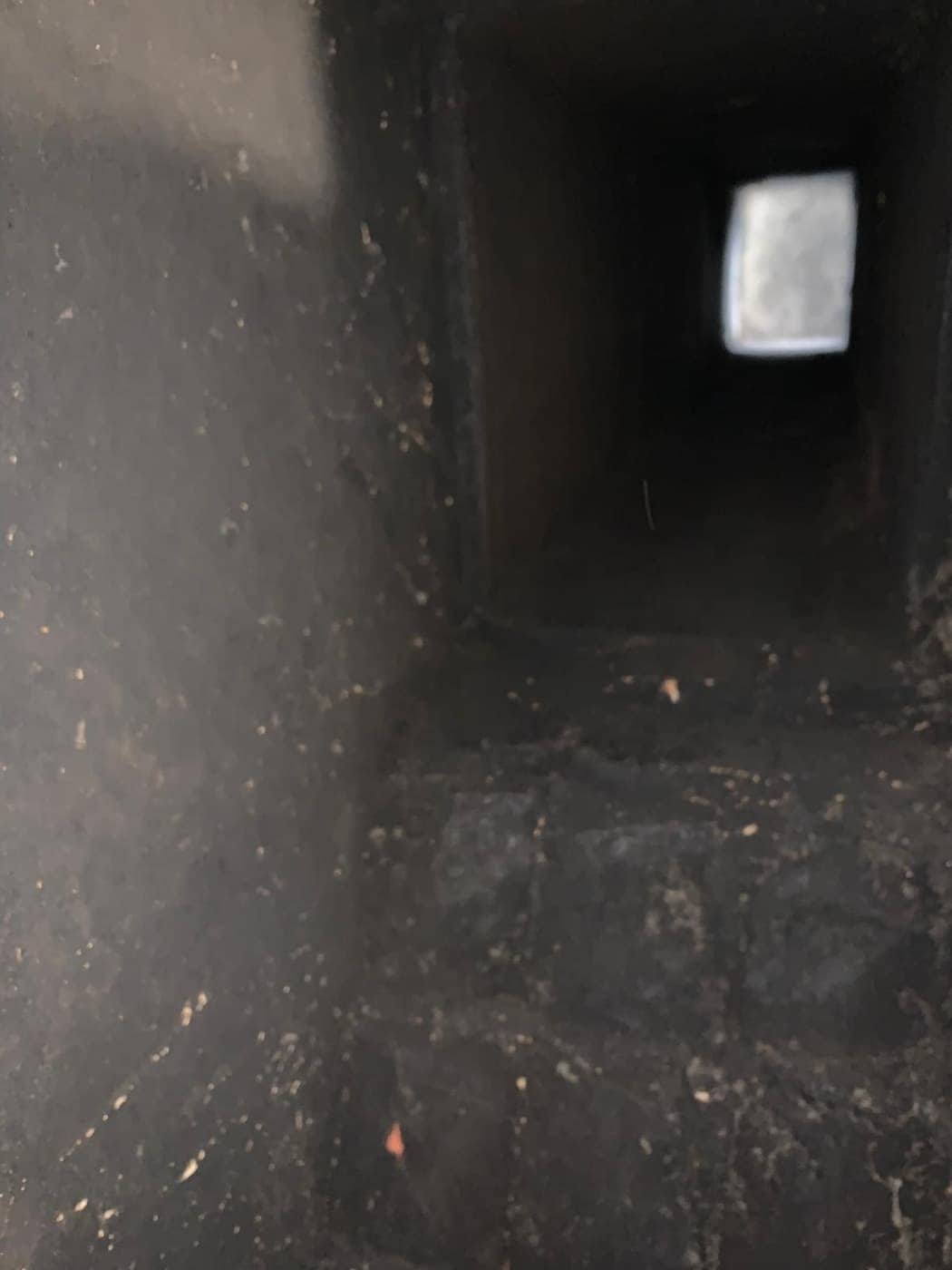
Level 1 or Level 2, in short
A Level 1 is the routine yearly check on a chimney that isn't changing. The appliance and the fuel haven’t changed, and nobody is buying or selling the house. It covers what you can see and reach without opening anything up: the crown, the damper, the connections, and any obvious cracking or creosote. A Level 2 adds a video scan of the full flue, including sections hidden in the wall and attic, and it's what a home sale or a fuel conversion calls for. Either way, you get a written report with photos.
What's included in a Level 1 inspection
A Level 1 is what most Readington Township homeowners need once a year, especially with 167 township households still burning wood as their main heat. Your inspector checks the readily accessible parts of the system (the firebox, the damper, the smoke chamber, and the flue as far as a flashlight and mirror reach) for creosote, soot, cracking, and correct clearance to anything that can burn. Nothing gets opened up and nothing gets scanned by camera. That's what a Level 2 is for.
- The firebox, damper, and smoke chamber
- Visible creosote or soot buildup
- The flue lining as far as it's visible from the firebox and the roof
- Basic clearance to combustible framing
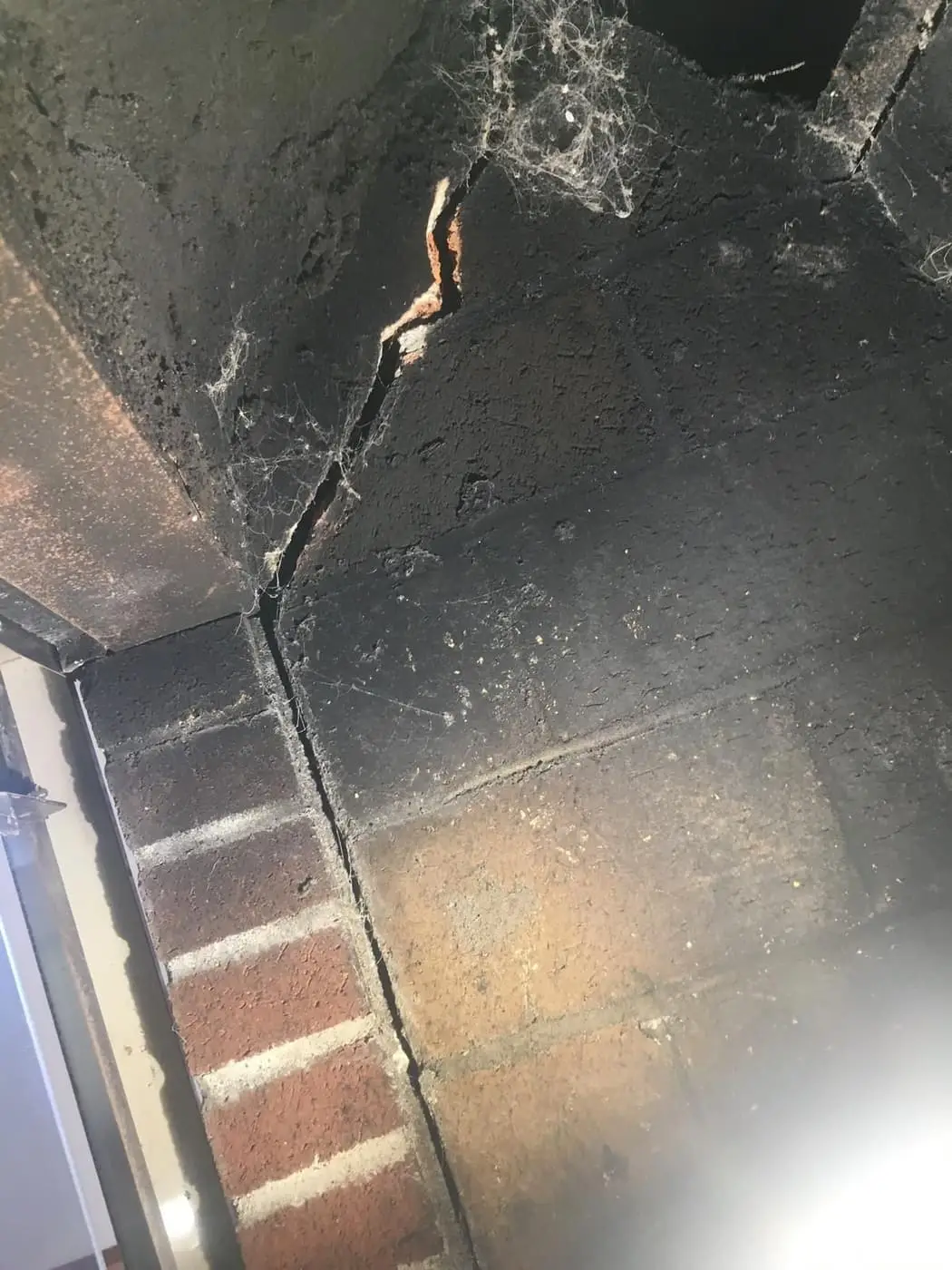
"It looked fine" doesn't satisfy a title company or a home inspector. A written report does.
What a Level 2 inspection adds
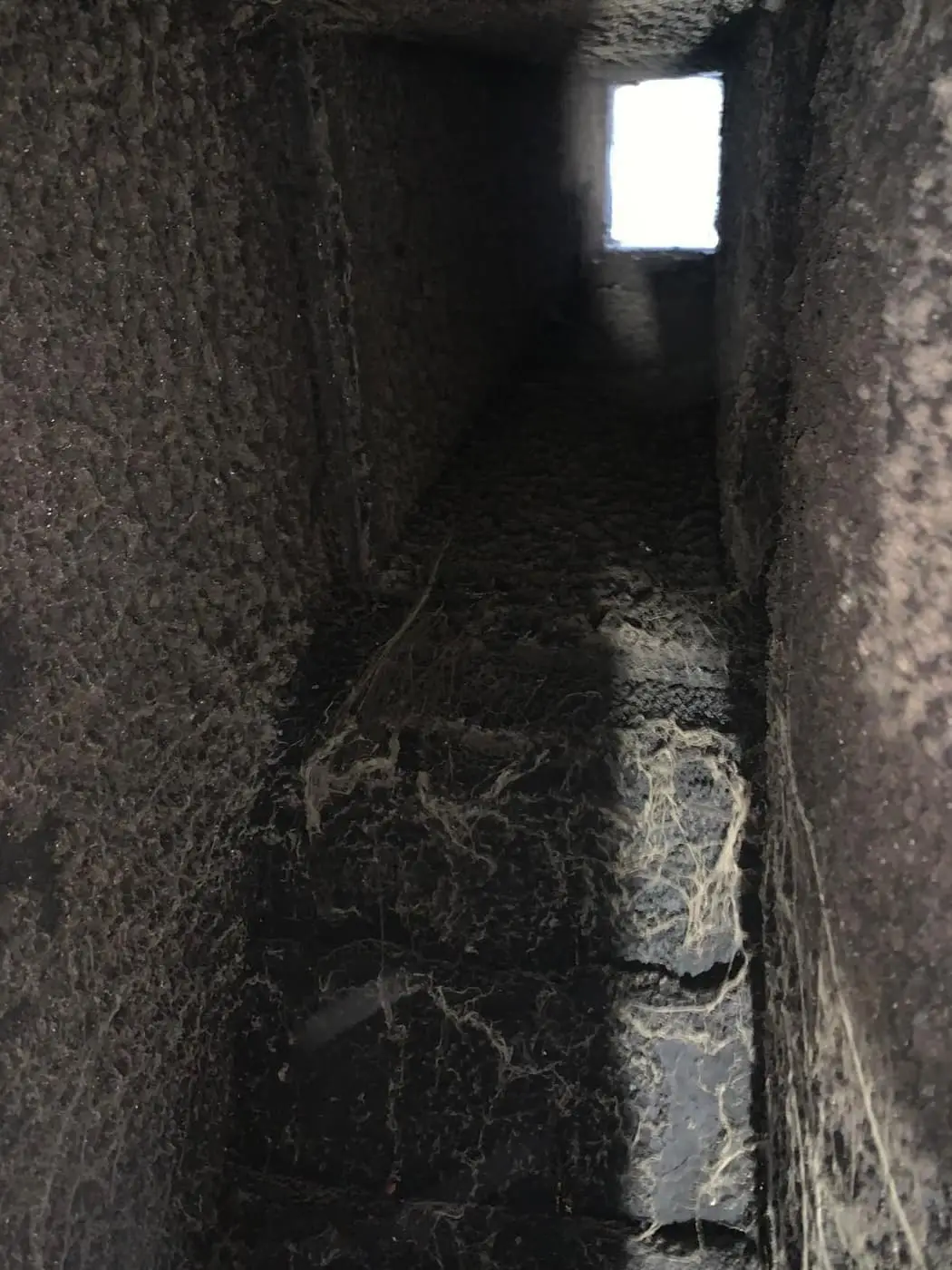
A Level 2 adds a video scan that follows the flue past everything a flashlight can reach (through the attic, behind the wall cavities, and into sections a Level 1 can't see). It's asked for by name before a house changes hands or before a contractor swaps an appliance's fuel. A cracked crown is a finding a Level 1 catches from the ground. A Level 2 checks what the crack let into the flue behind it.
Two reasons Readington homeowners call for a Level 2
Two moments in particular bring these calls. New Jersey requires a smoke and carbon monoxide alarm certificate before any one- or two-family home changes hands, and a working fireplace or wood stove is exactly the fixture that certificate assumes is safe to use. And a fuel conversion (oil to gas is what we see most in Hunterdon County) hands the new appliance a flue sized for the old one, which is why New Jersey's verification form has to be signed by the installer, never the homeowner.
- Selling or buying the house
- Switching the appliance's fuel: oil to gas is the one we see most in Hunterdon County
The code behind the inspection
New Jersey's one- and two-family dwelling subcode became the 2024 edition of the International Residential Code on August 17, 2026. Chimney and fireplace rules still sit in Chapter 10, and dryer and exhaust rules in Chapter 15. The chapter structure didn't change, only the edition number did. When an inspection turns into an appliance swap, the contractor installing the new equipment has to file New Jersey's chimney verification form, UCC Form F-370, certifying the flue is lined and sized correctly for what's going in. A homeowner can't sign that form on their own behalf.
Chimney anatomy
Four parts, from the roof line down into the flue
What each part of a masonry chimney is, from the top of the stack down to the channel the smoke travels through.
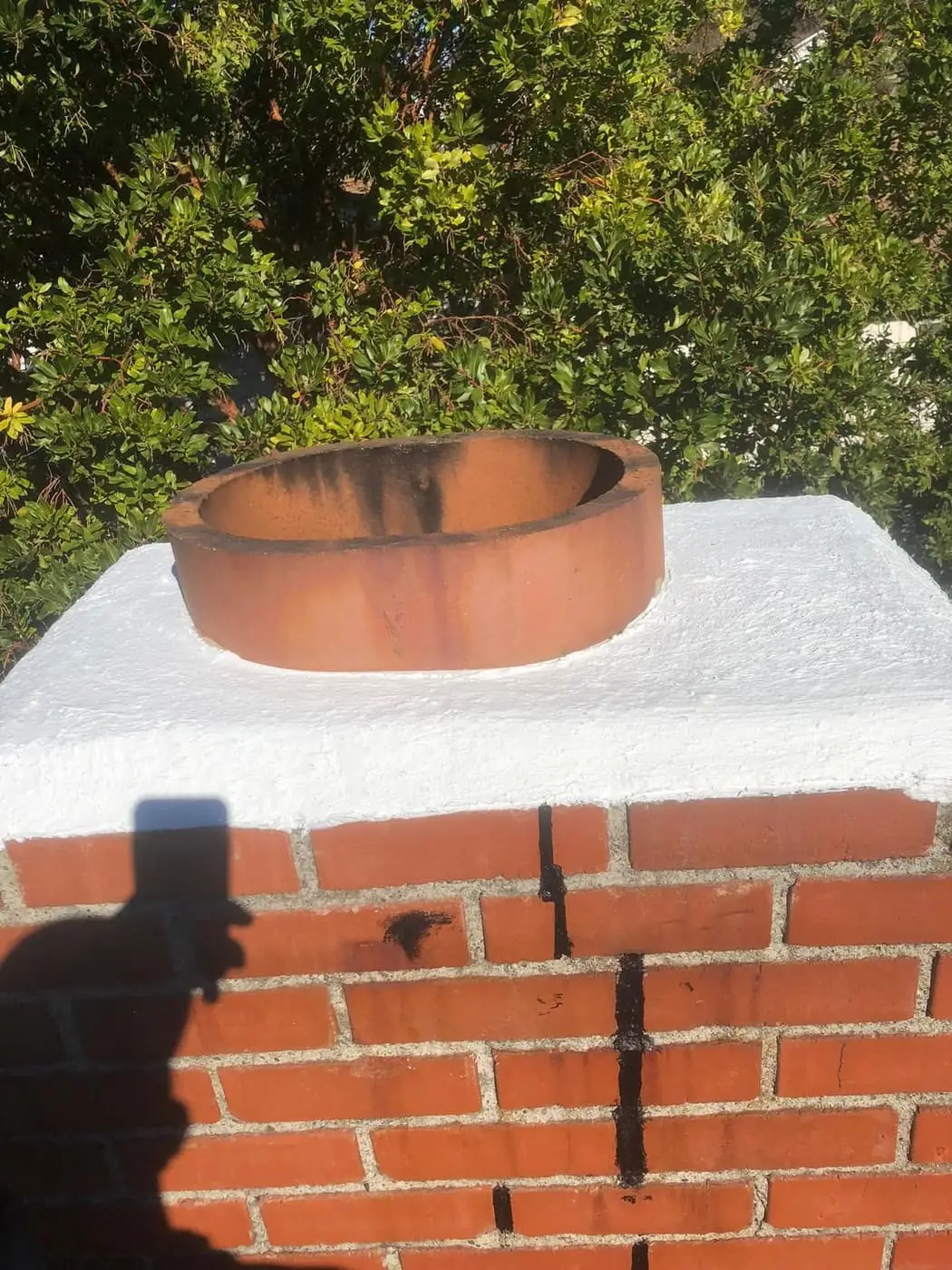
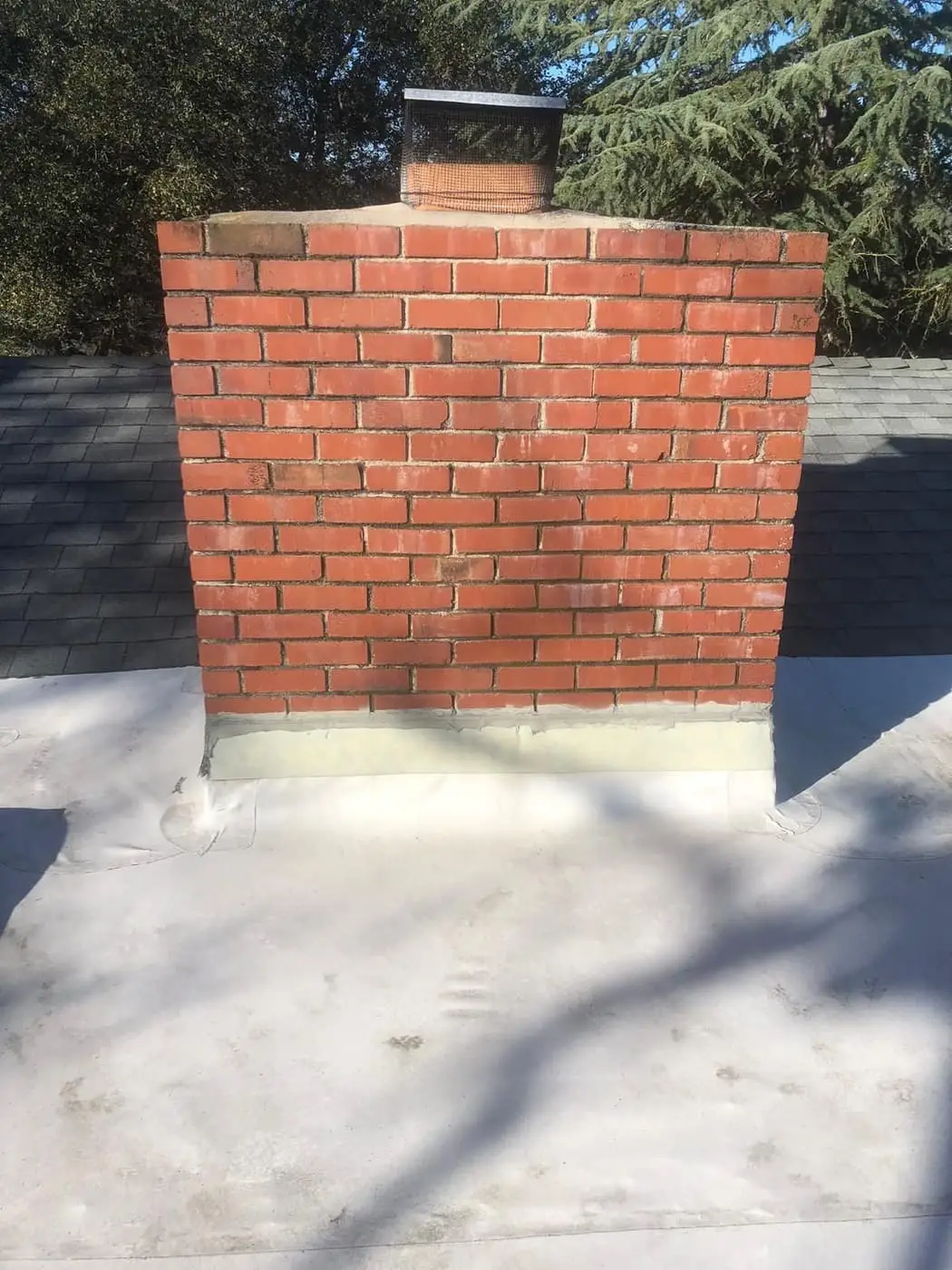
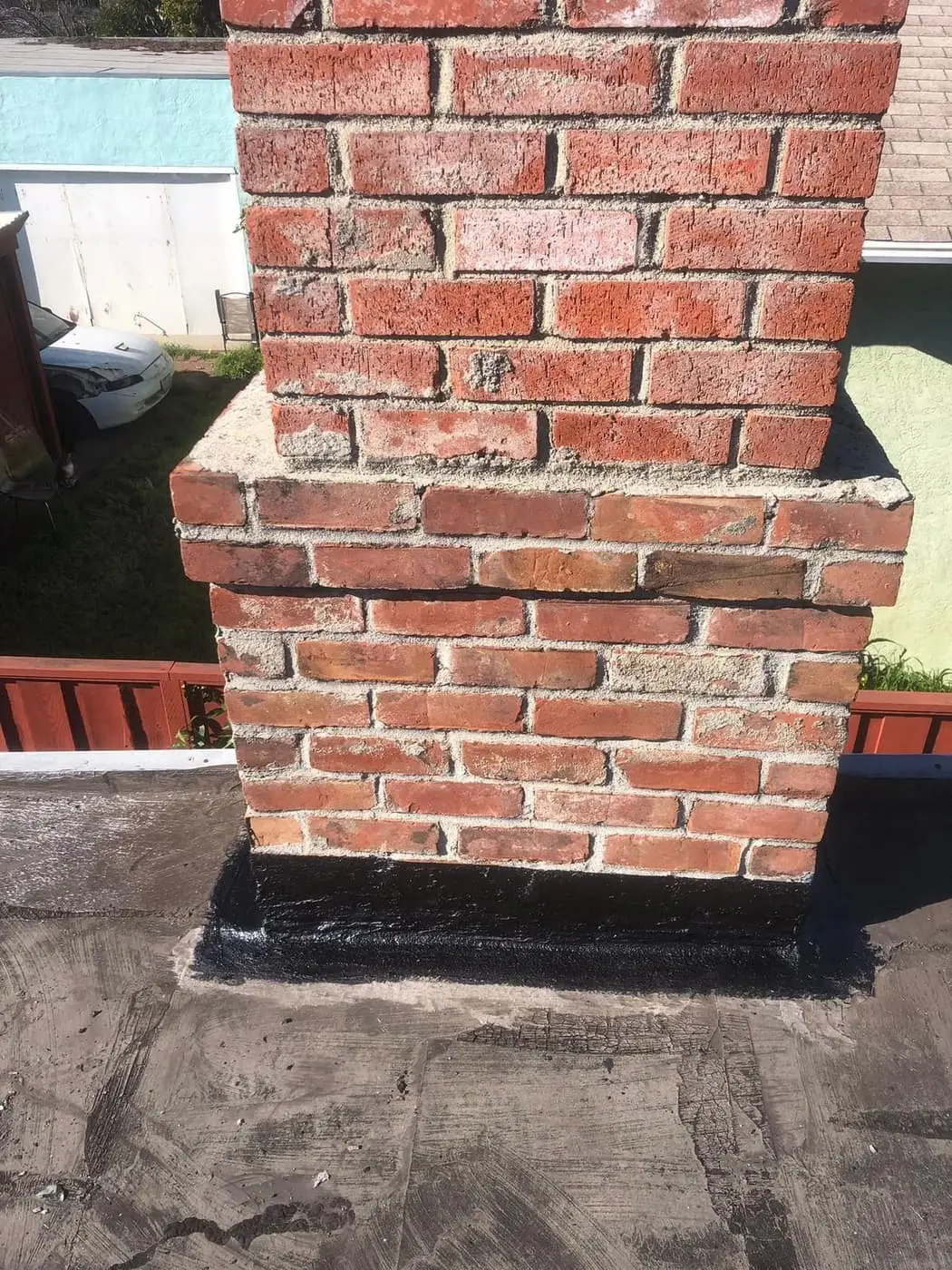
- Crown
- The concrete slab across the top of the masonry. It sheds rain away from the bricks and the flue.
- Cap
- The cover over the flue opening. It keeps rain, animals and debris out of the flue.
- Flashing
- The metal seal where the chimney passes through the roof, lapped into the shingles around it.
- Liner
- The channel inside the chimney that carries smoke and exhaust gases up and out of the house.
From our Google listing
Parts of a chimney an inspection looks at
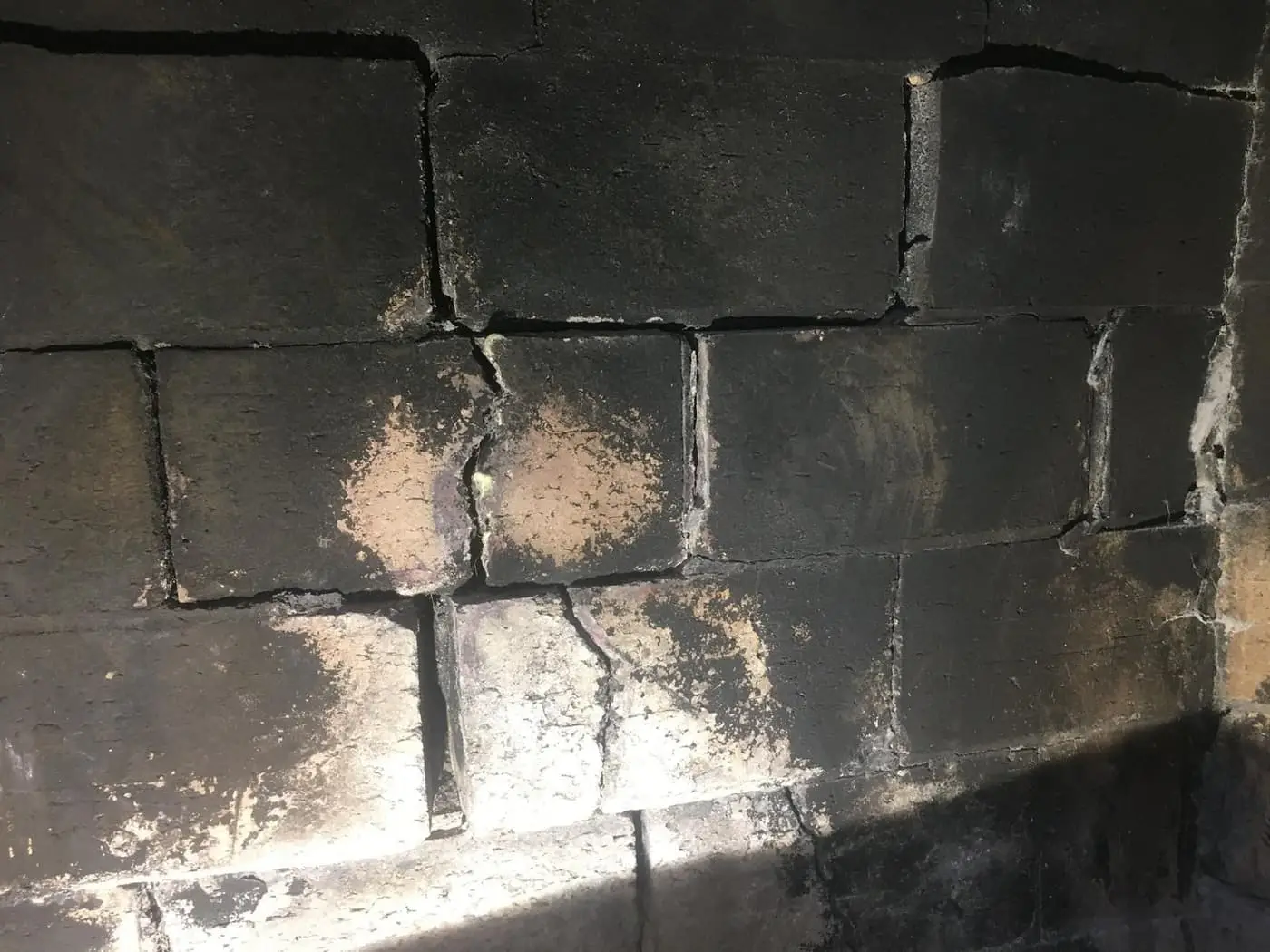
Cracked firebrick darkened by soot inside a fireplace
Black, shiny creosote on the brick inside a chimney
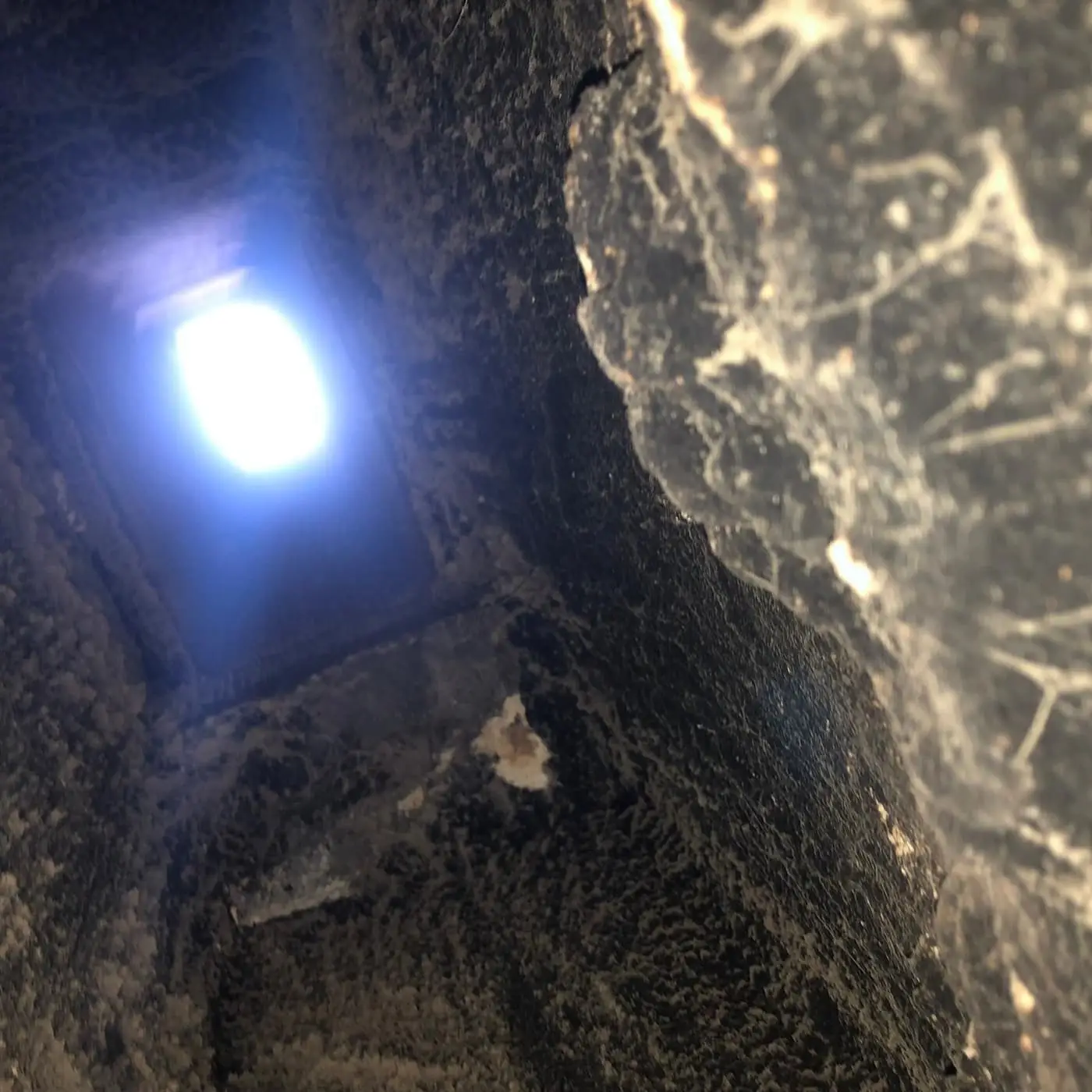
A crack in soot-covered masonry beside a metal frame inside a fireplace
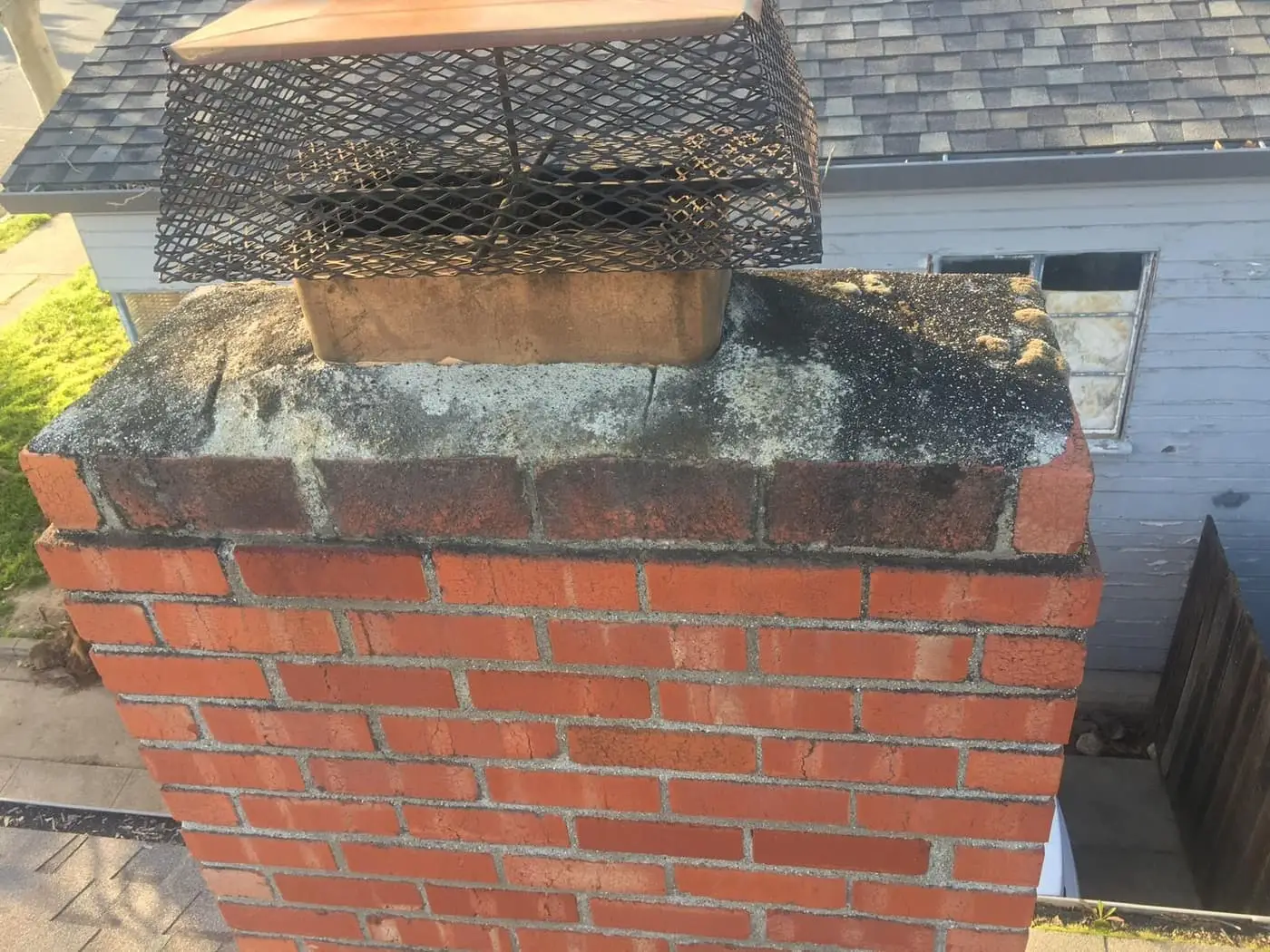
A square mesh cap over the flue on a concrete crown
A fireplace insert with a gold-trimmed glass door
A mesh cap on a weathered crown over a brick chimney
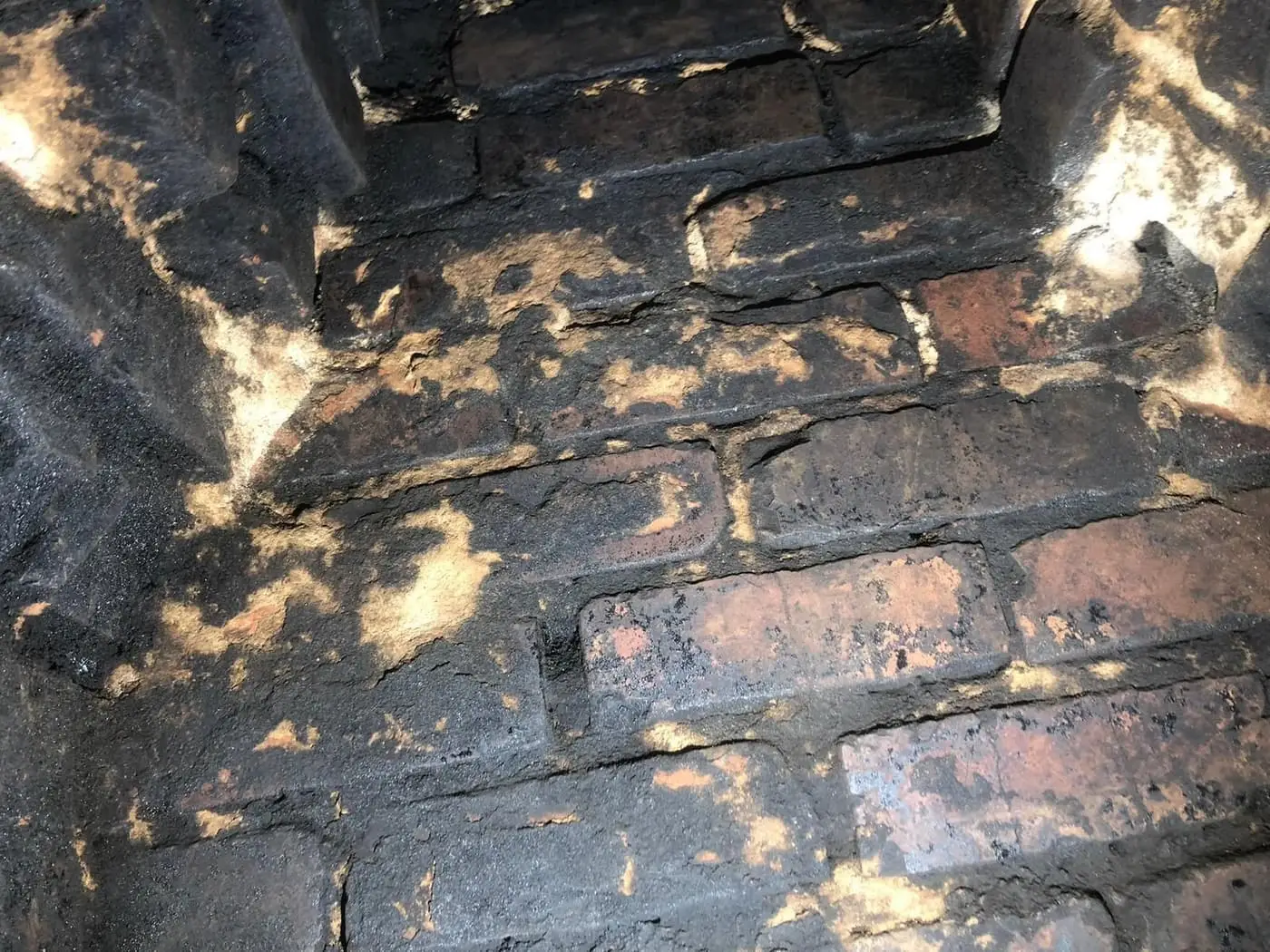
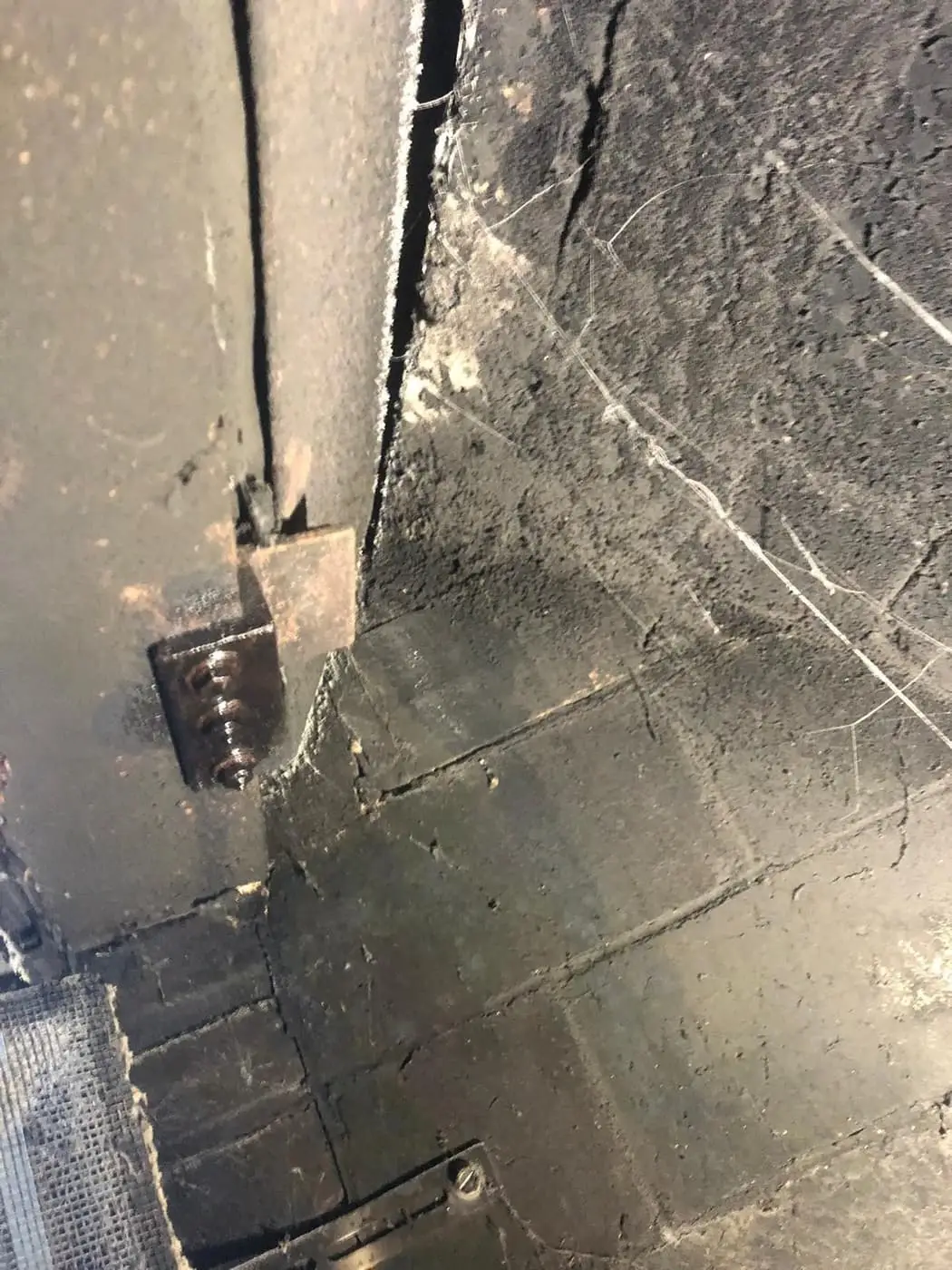
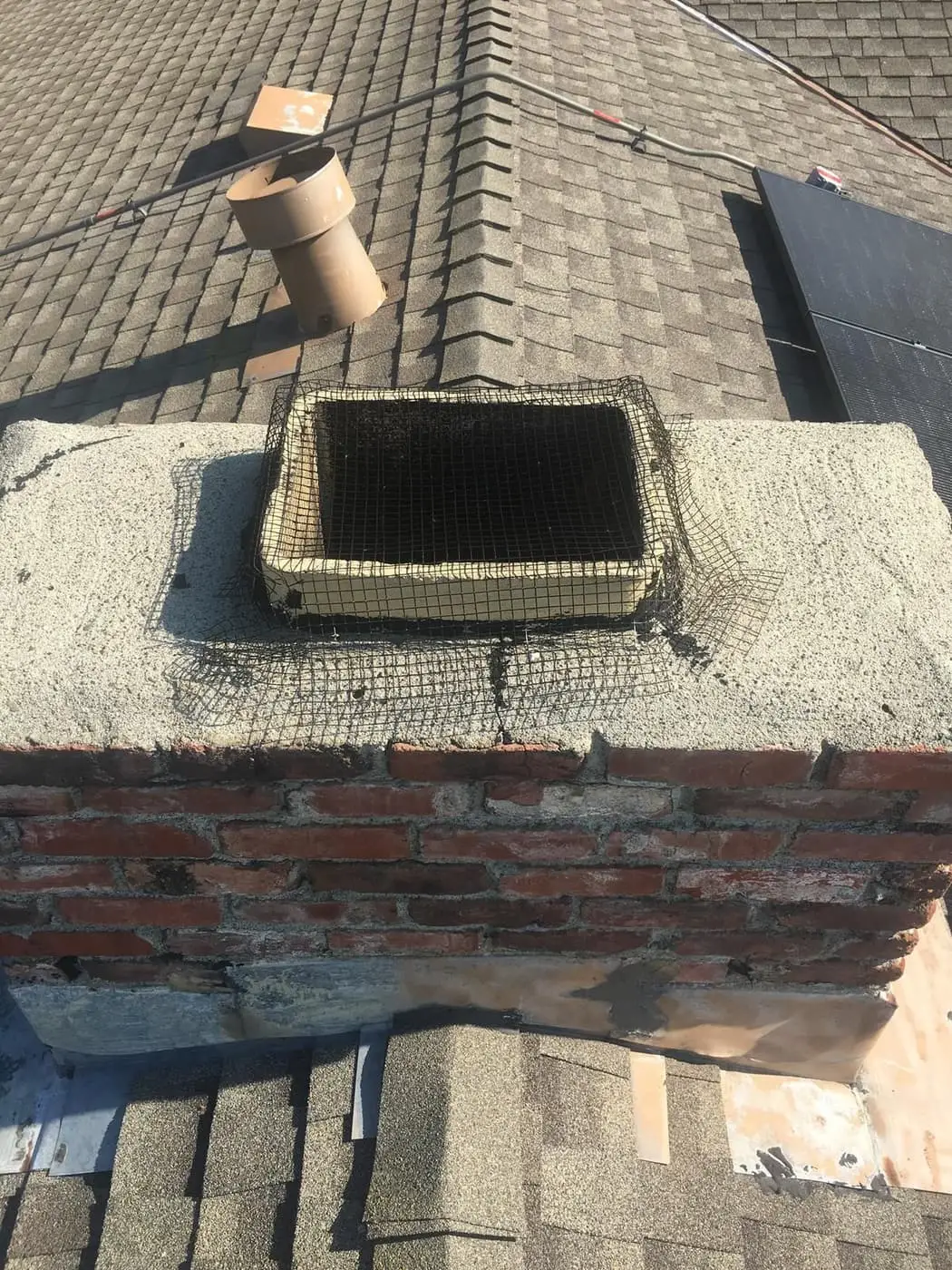
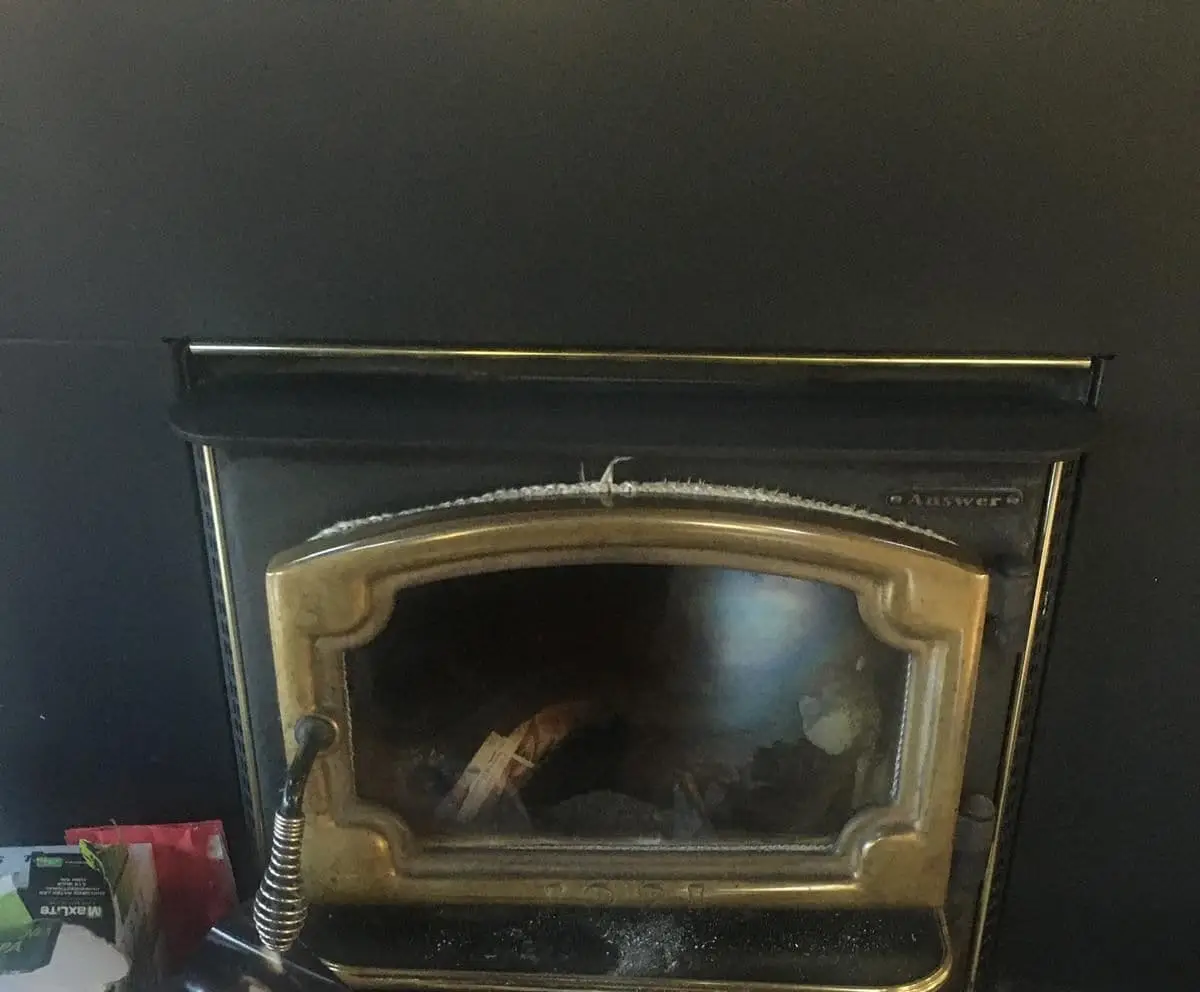
What customers in Readington Township say
A selection of our 5-star reviews on Google.
Work was carried out by an expert who knew just what proportions of air to fuel were required for a brick fireplace system to burn cleanly.
It was no longer a strong pick. The service fixed the damper and got rid of the sticky creosote. Now it's easy to start fires and they burn constantly. Every time we light it, we can see the difference.
Top-notch service! They showed up right on time, which is rare these days. The technician took the time to explain everything and showed me exactly how much soot was clogging the flue. Fast, clean, and very reasonably priced. I will definitely be using them every year from now on!
Chimney inspection questions
How is a Level 2 chimney inspection different from a Level 1?
A Level 1 checks everything readily visible and reachable: the firebox, damper, smoke chamber, and as much of the flue as a flashlight shows. A Level 2 adds a video scan down the full flue, including sections hidden behind walls, and it's what a home sale or a fuel conversion calls for.
Do I need an inspection to sell my house in New Jersey?
Every New Jersey home sale requires a smoke and carbon monoxide alarm certificate from the local fire official before closing, and that certificate assumes any fireplace or wood stove is safe to use. That's why buyers, agents, and title companies routinely ask for a written chimney inspection alongside it.
I'm switching from oil to gas. Does the chimney need to be inspected first?
Yes. A flue sized for an oil appliance isn't automatically right for a gas one. New Jersey's chimney verification form, UCC F-370, has to be signed by the contractor installing the new equipment. A homeowner can't sign it themselves.
How often should a chimney be inspected if nothing has changed?
The national standard, NFPA 211, wants every chimney, fireplace and vent looked at once a year, used or not. A Level 1 covers that routine check.