
Chimney sweeping in Readington, NJ, with the camera first
Before a brush touches your flue, a camera goes down first so you see on a screen what has built up in there (creosote, a stuck damper, a cracked tile). Then rod-and-brush cleaning and a HEPA vacuum sealed to the firebox do the work, and you keep the before-and-after photos.
The core chimney service
A chimney sweep here starts with a camera. We run it down the flue first and put the picture on a monitor, so you see the same creosote or blockage we do. Only then do the brushes come out, matched to wood, oil or gas. A HEPA vacuum sealed to the firebox opening catches what comes loose before it can reach your hearth. NFPA 211 calls for a chimney inspection at least once a year, because the buildup that causes a chimney fire is rarely the kind you can see from the room.
What the camera shows
Most flues haven’t had a light shined down them in years, so the first pass usually turns up something: creosote on the walls, a damper that isn’t closing all the way, sometimes a cracked flue tile caught before it becomes a bigger repair. Readington’s housing makes that worth checking on more than wood burners: 1,281 households in the township heat with fuel oil and another 297 with LP gas, and those flues never had a utility technician looking down them the way a gas main gets inspected. Whatever the camera finds, you see it on the screen first.
- Creosote stage on the flue walls
- Damper condition and movement
- Cracks or gaps in the flue tile
- Blockages: nests, debris, liner damage
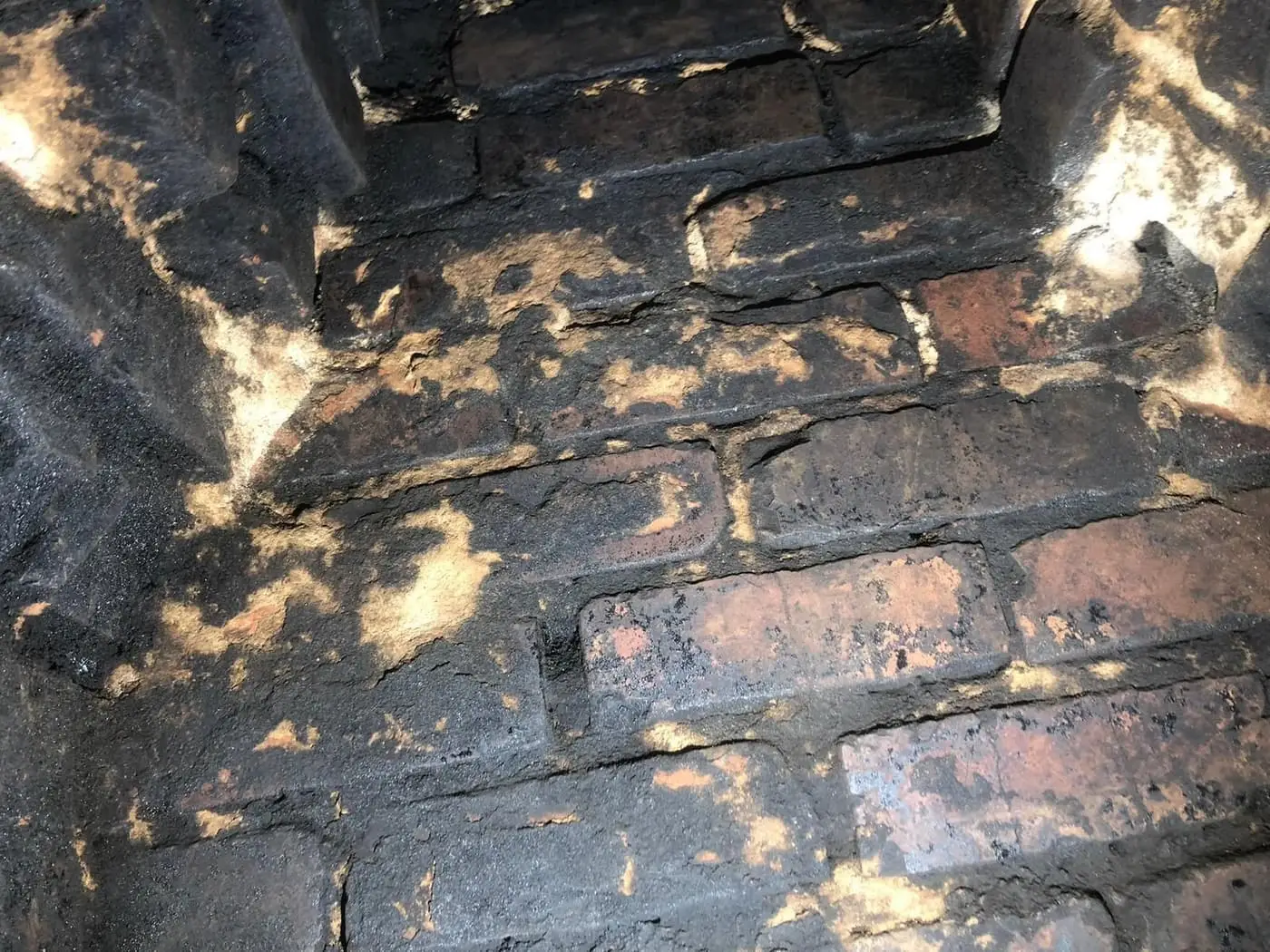
You watch the flue on the monitor with us before any brush goes in.
Brushes and a sealed HEPA vacuum
Once we know what we’re dealing with, the cleaning is rod-and-brush work sized to your flue, run from the firebox up. A HEPA vacuum stays sealed to the firebox opening the entire time, so the soot knocked loose goes into the vacuum instead of settling on your mantel. Drop cloths go down over the hearth and nearby furniture before the first brush goes in, and stay down until the vacuum is finished.
Wood, oil and gas in Readington homes
Readington runs unusually mixed for Hunterdon County: gas, oil, and wood all show up on the same streets, sometimes in the same house after a furnace swap. 167 households in the township still burn wood as primary heat, and 912 units are single-family attached, which can mean a flue sharing a chase with the house next door. Whatever’s feeding your fireplace or furnace, the visit covers the same ground:
- Wood fireplaces and inserts, brushed to bare flue
- Oil-fired flues, checked for acidic glazing
- Gas vents, confirmed clear and drafting
- Shared chases in attached homes
The paperwork nobody thinks to ask for
When a furnace, boiler, or water heater gets replaced in New Jersey, the installer has to sign a state chimney verification form certifying the flue is “substantially clean of residue from its previous use” before the new appliance goes in. Most homeowners never see that form or know it exists. It goes from the installer’s clipboard into a permit file. A sweep ahead of that replacement is what gets the flue into the condition the form is asking about, and you keep the photos from the visit as your own record.
From our Google listing
What we see inside the chimney
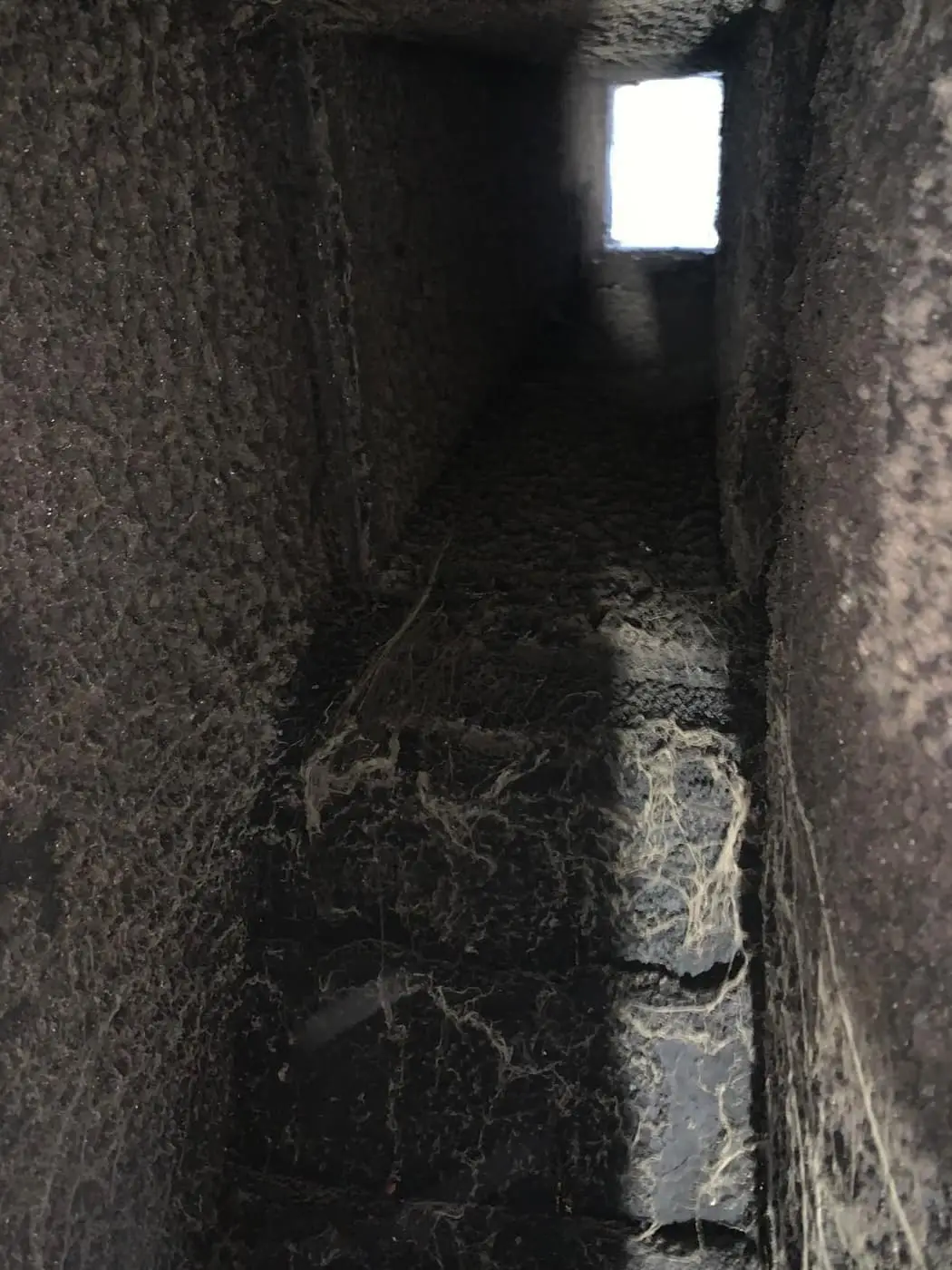
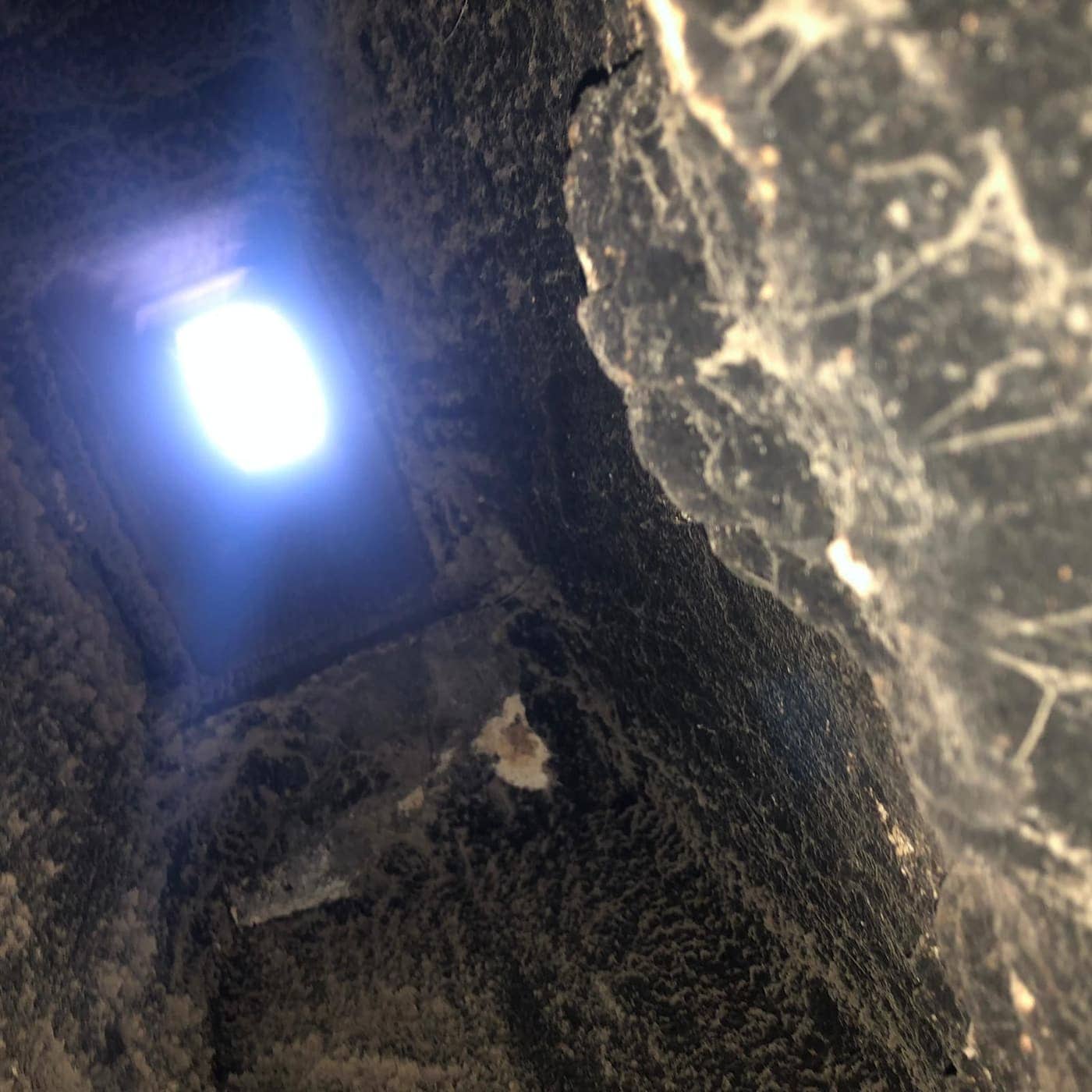
Looking up a soot-lined flue toward the daylight at the top
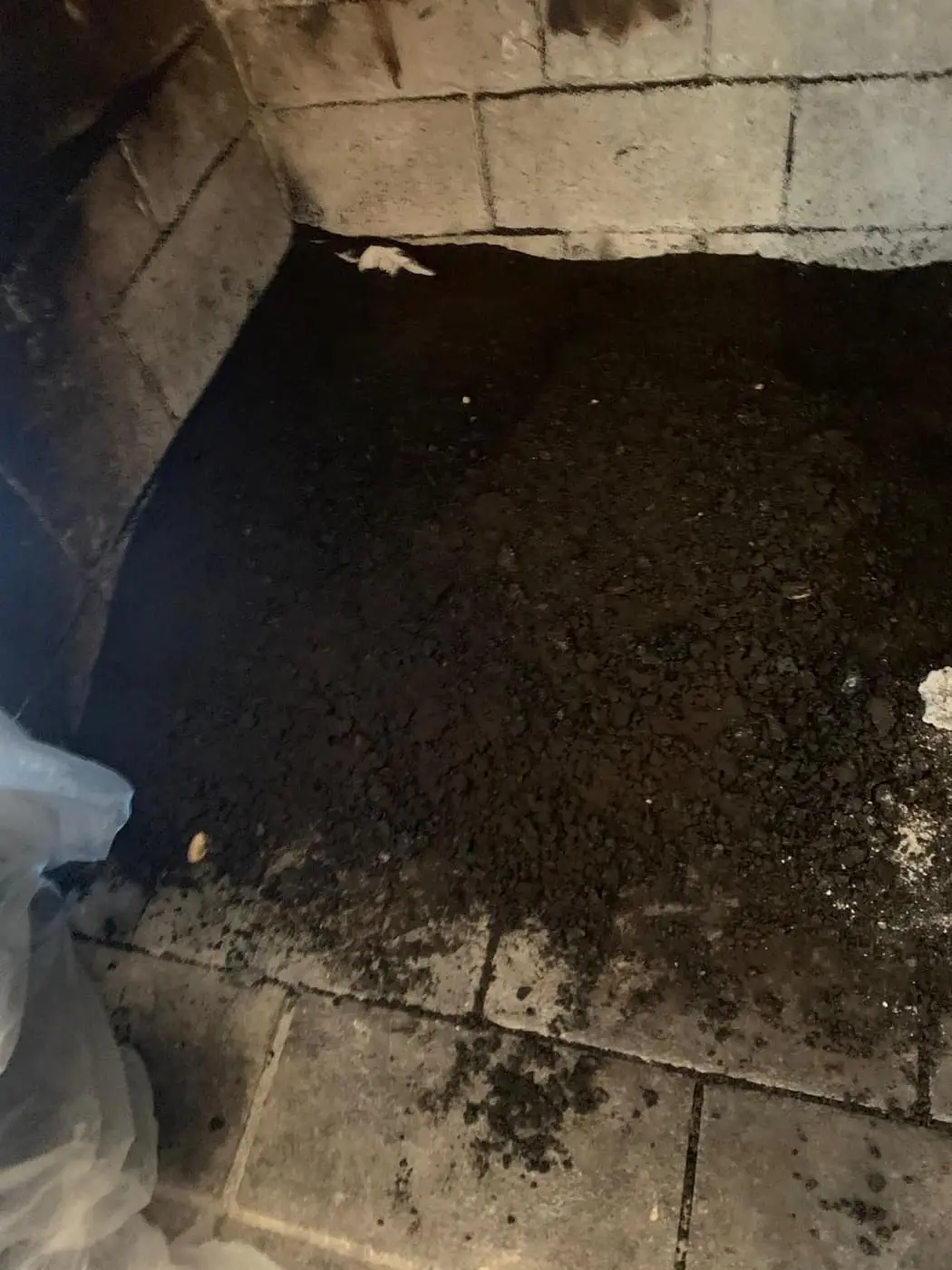
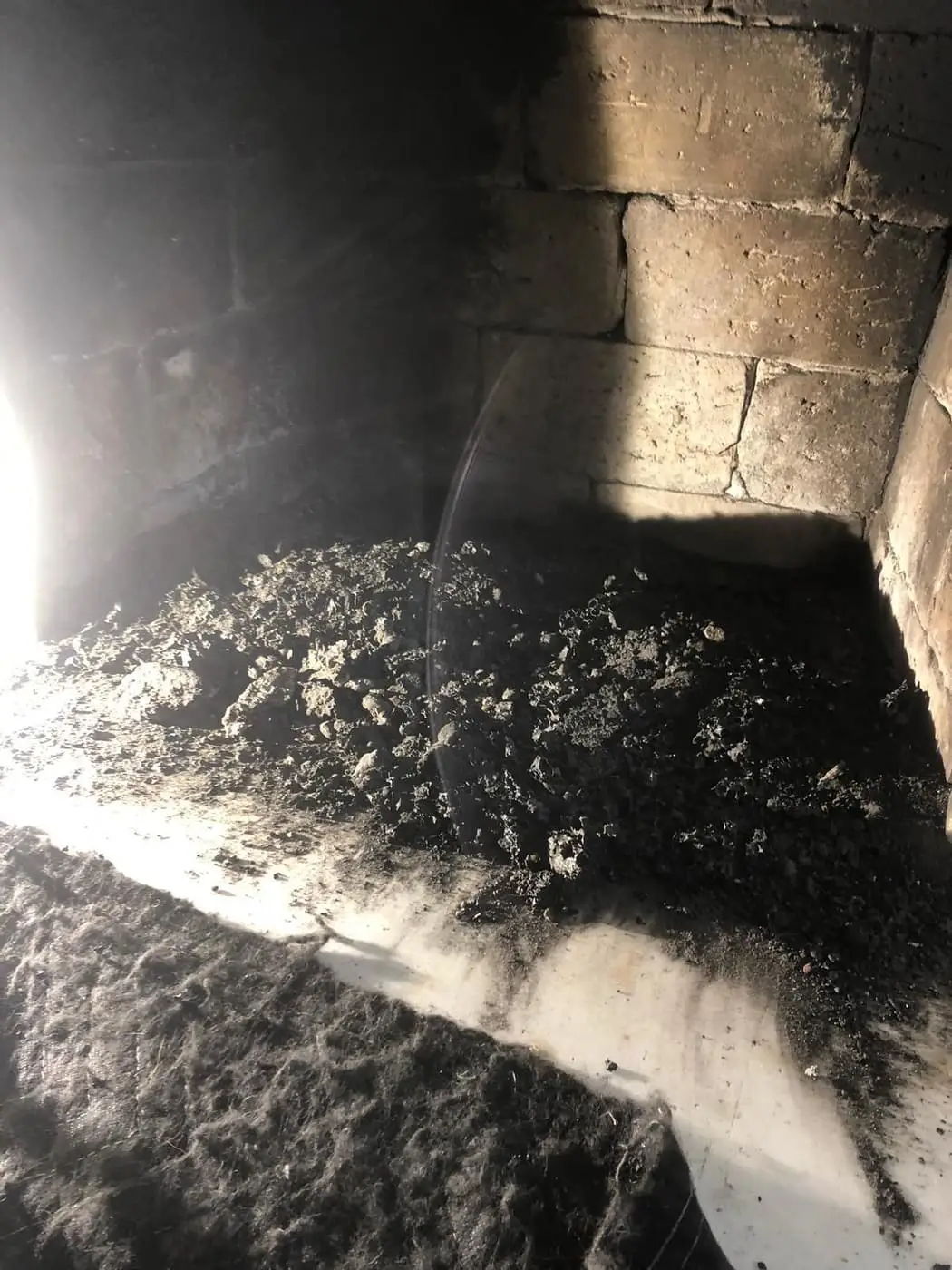
Soot and debris on a firebox floor, with plastic sheeting at the opening
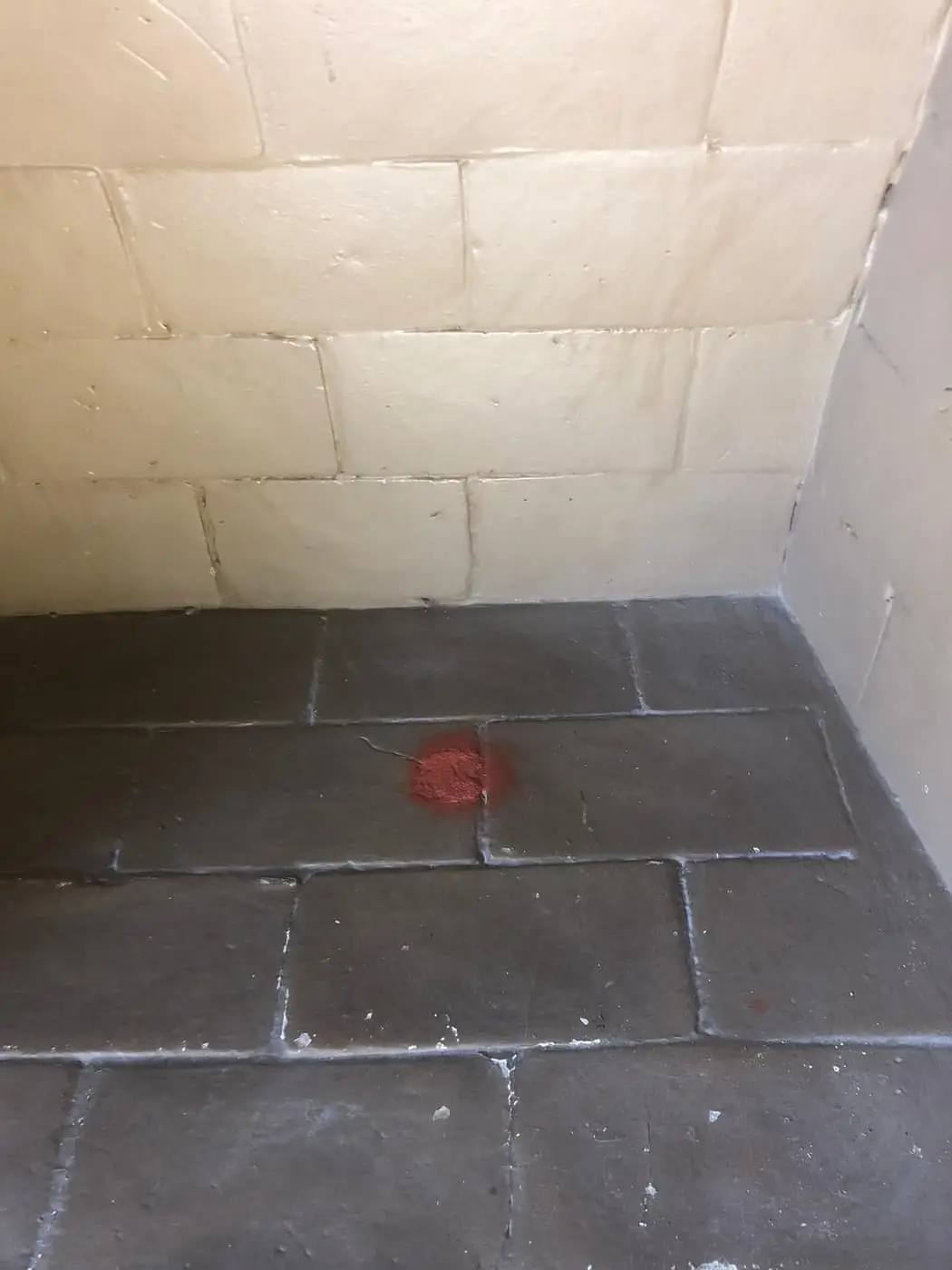
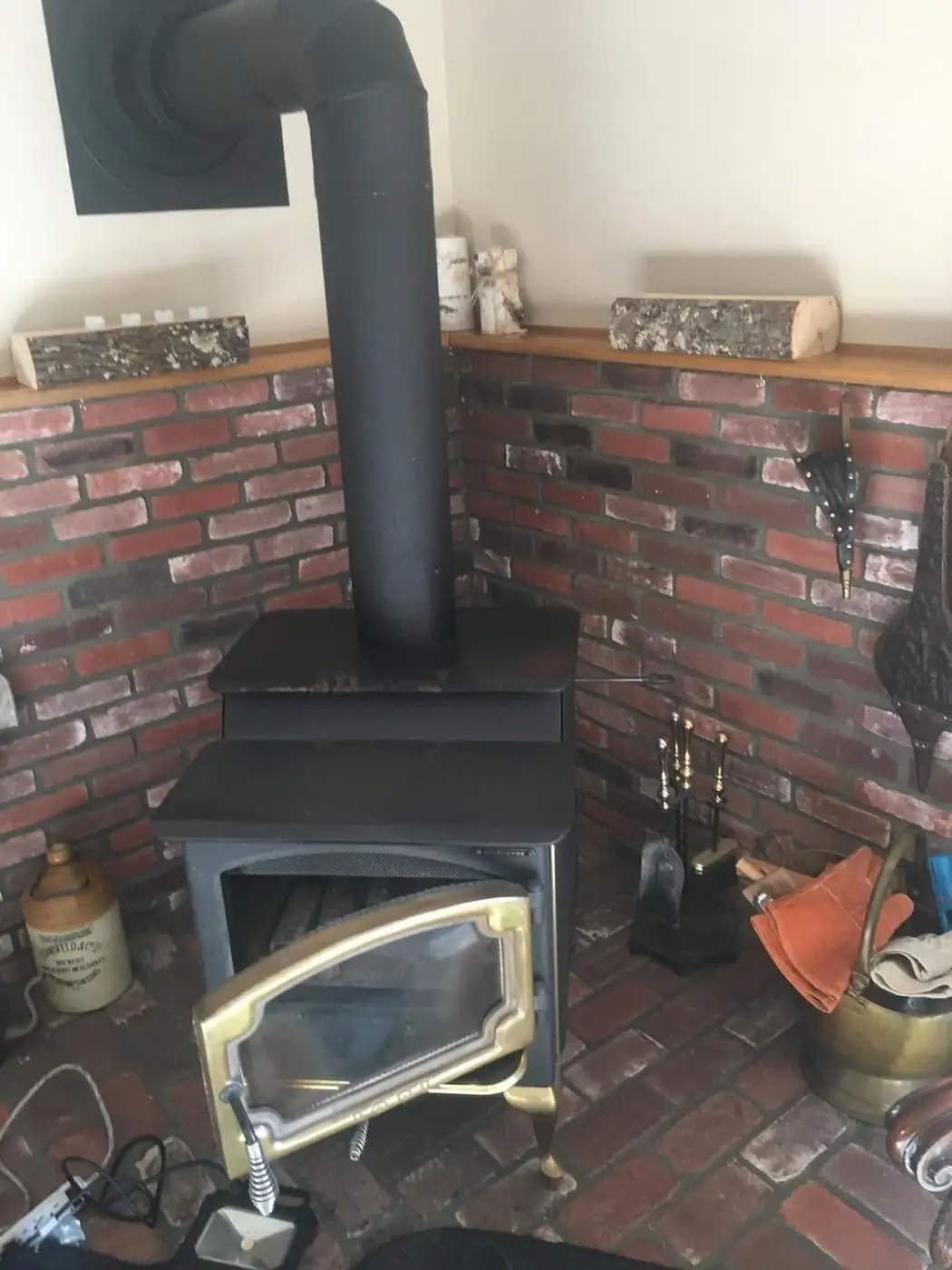
A firebox with light firebrick walls and a dark tile floor
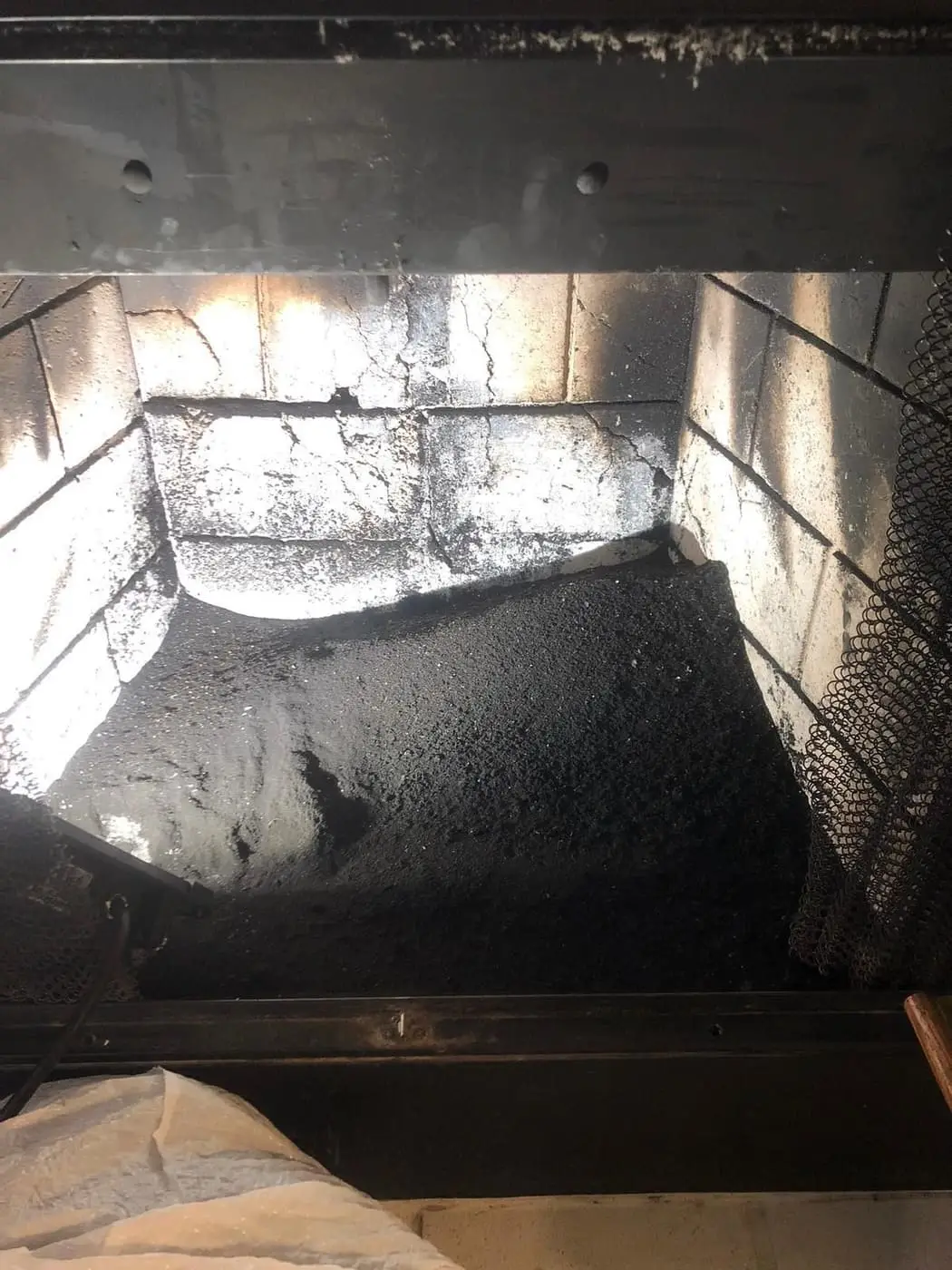
Soot collected on the floor of a metal-framed fireplace
What Readington homeowners are saying
A selection of our 5-star reviews on Google.
Work was carried out by an expert who knew just what proportions of air to fuel were required for a brick fireplace system to burn cleanly.
It was no longer a strong pick. The service fixed the damper and got rid of the sticky creosote. Now it's easy to start fires and they burn constantly. Every time we light it, we can see the difference.
Top-notch service! They showed up right on time, which is rare these days. The technician took the time to explain everything and showed me exactly how much soot was clogging the flue. Fast, clean, and very reasonably priced. I will definitely be using them every year from now on!
Chimney sweeping questions
Will the sweep make a mess in my house?
Drop cloths cover the hearth, and the HEPA vacuum stays sealed to the firebox opening for the whole brushing pass, so what comes loose ends up in the vacuum.
Do I get to see what the camera finds?
Yes, the feed runs to a monitor during the visit, so you’re looking at the same creosote or crack we are, in real time.
What proof do I get once you’re done?
Before-and-after photos you keep. Anything the camera flagged, like a cracked tile, gets photographed too.
How often does a chimney need sweeping?
NFPA 211 calls for an inspection at least once a year, since the buildup that causes a chimney fire is rarely visible from the room.
Do I need a permit for a chimney sweep?
No. Sweeping and inspection aren’t permitted work under New Jersey’s construction code: a permit only comes into play if the visit turns up a repair or a liner.