
Chimney sweep and repair in Lebanon Township, NJ
Lebanon Township runs on delivered fuel almost entirely: better than half its households burn fuel oil, another sixth run propane, and there is enough wood heat that a stove offer can lead instead of follow. Only one household in twelve runs on natural gas. Up in the Highlands at a higher elevation than the rest of the county, the houses here sit detached and far apart, so a route means real ground between stops.
The short answer
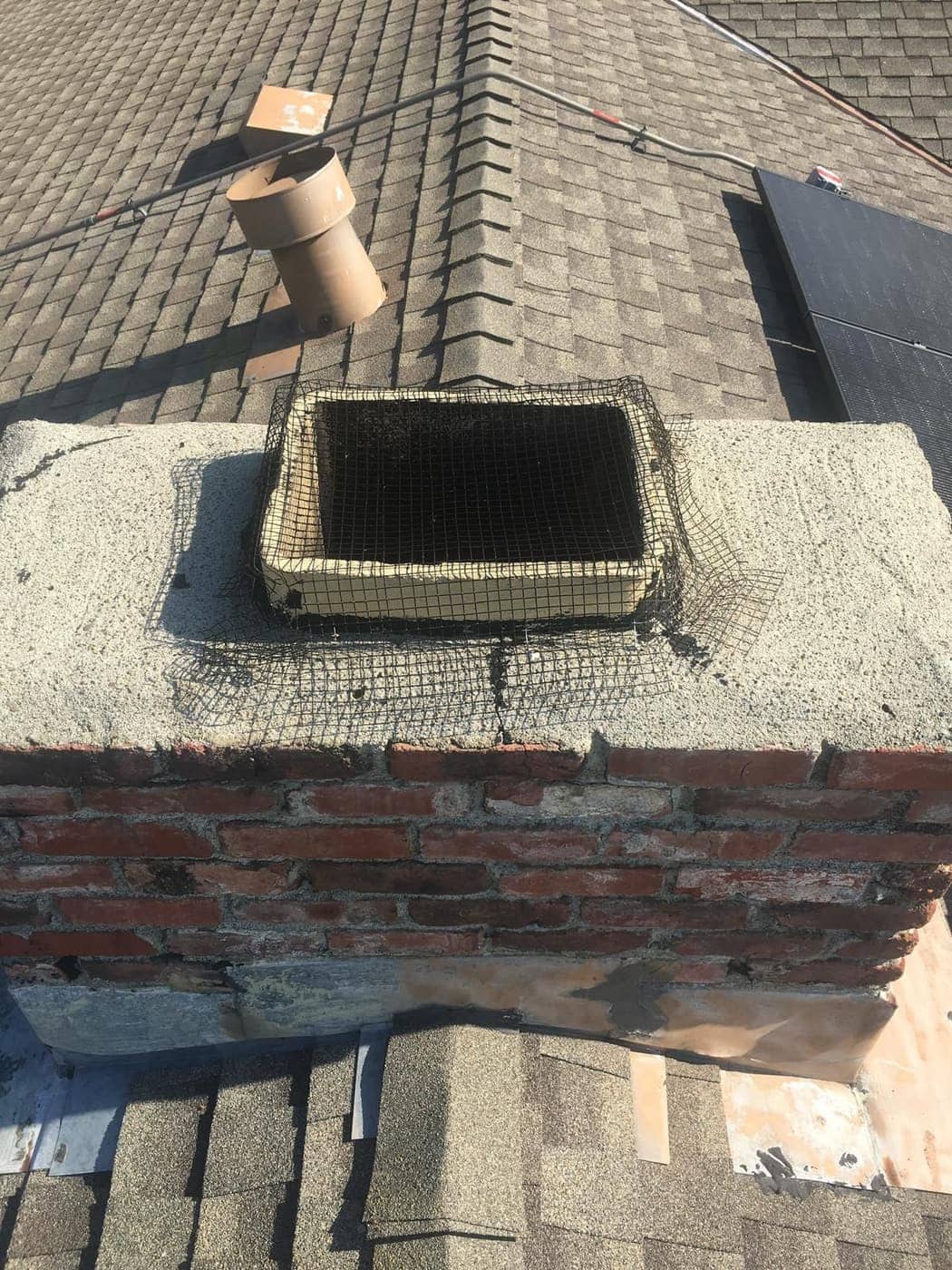
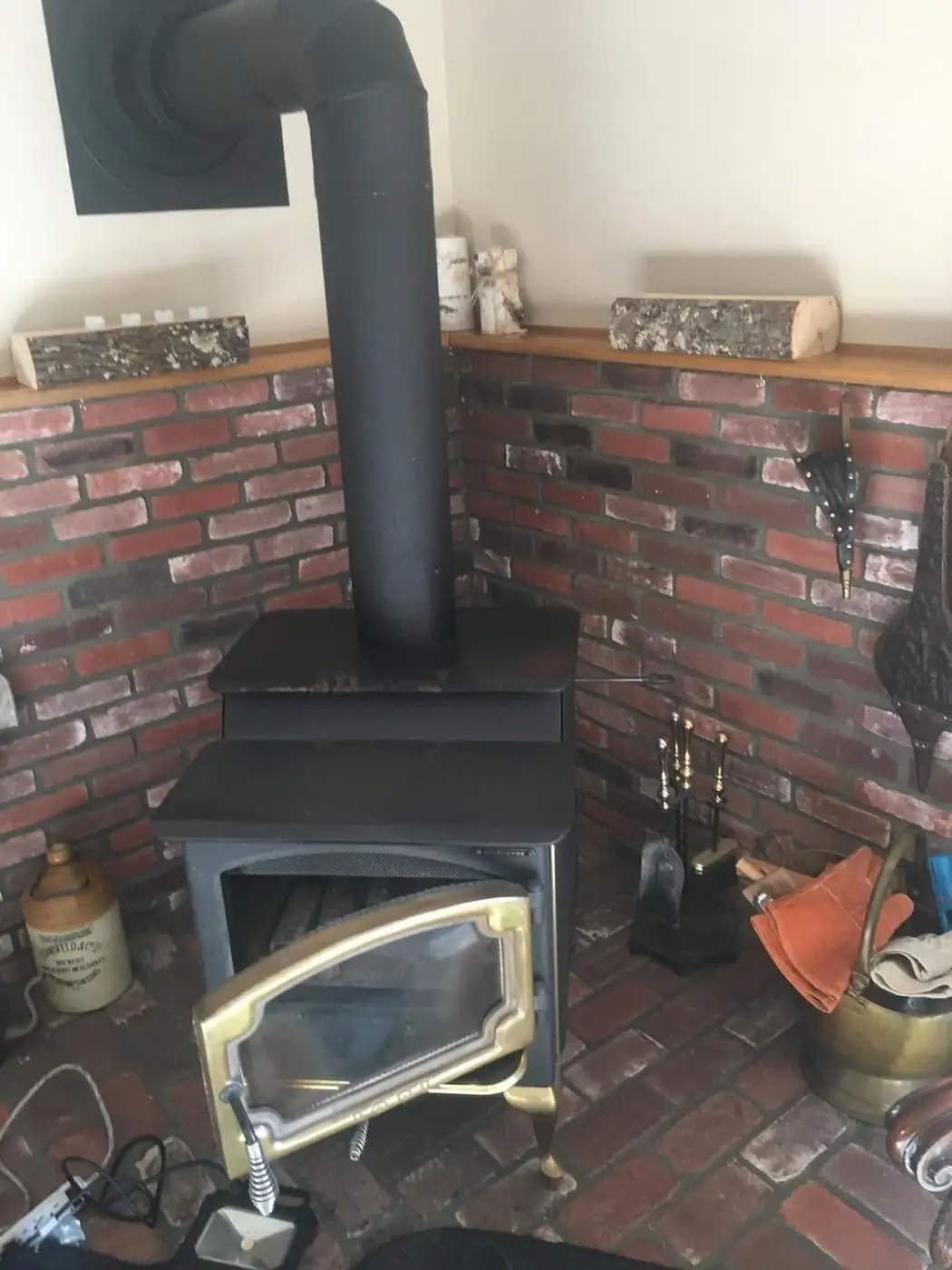
We sweep and inspect fuel-oil and propane flues throughout Lebanon Township, service wood and pellet stoves where they are the main or backup heat source, and handle liner work on the older masonry common in a township where most of the housing predates 1980.
What we find on Lebanon Township jobs
Lebanon Township leans on fuel oil more than any other town in the county, and it shows in what we find. Over half the homes here burn oil, and oil exhaust runs cooler and wetter than gas, so it condenses against the liner, and that condensate is acidic enough to eat mortar and scale a flue’s interior over years of duty. Add in propane and wood, and more than three in four homes here burn a fuel that arrives by truck, so a scheduled inspection is often the only check that chimney gets. A lot of the stock predates 1980, old enough that some flues are original masonry built before any lining rule existed, and an unlined stack under decades of oil service is the failure mode the state’s chimney form exists to catch. Where wood or a pellet stove is the main heat source, the duty cycle runs heavier and creosote builds faster than in a house where the stove only runs on cold weekends. Sitting higher stretches the season longer too, meaning more hours of combustion through the same flue each winter.
Where the van goes in Lebanon Township
- Woodglen: active general store
- Anthony: named for the Anthony family, farmers who settled the area
- Bunnvale
- New Hampton Historic District (NRHP), with the New Hampton Pony Pratt Truss Bridge and the Lebanon Township Museum, built around 1825 and part of the district
- Newport
- Penwell
- Red Mill
- Lower Valley
- Mount Lebanon
- Changewater
- Hampton Junction
- Hoffmans
- Little Brook
- Buffalo Hollow
- Saint Nicholas Village
- Scrappy Corner
- Spruce Run
- Stone Mill
- The Point
- Mailing addresses here often read Califon, Glen Gardner, Hampton, Lebanon or Long Valley, because the township wraps around the boroughs of Califon and Glen Gardner
Everything we do in Lebanon Township
- Chimney sweepingThe camera goes down before any brush does
- Chimney inspectionLevel 1 or Level 2, with a written report
- Chimney repairCrowns, caps, flashing and liners that let water in
- Fireplace & stovePilot lights, dampers and door gaskets
- Dryer vent cleaningThe whole run cleared, from the dryer to the outside hood
- Air duct cleaningWe tell you when cleaning will not help
- Duct repair & replacementCrushed, split or fallen duct runs repaired
What homeowners say on our Google listing
A selection of our 5-star reviews on Google.
Work was carried out by an expert who knew just what proportions of air to fuel were required for a brick fireplace system to burn cleanly.
It was no longer a strong pick. The service fixed the damper and got rid of the sticky creosote. Now it's easy to start fires and they burn constantly. Every time we light it, we can see the difference.
Top-notch service! They showed up right on time, which is rare these days. The technician took the time to explain everything and showed me exactly how much soot was clogging the flue. Fast, clean, and very reasonably priced. I will definitely be using them every year from now on!
Questions from Lebanon Township
We heat almost entirely with fuel oil. What should we watch for?
Oil exhaust is cooler and wetter than a gas appliance’s, so it tends to condense inside the flue, and that condensate is mildly acidic. Over years it eats at mortar joints and can scale the inside of a liner, worth catching with a scheduled inspection rather than waiting for a problem to show up on its own.
Our wood stove is our main heat source. Does that change anything?
It does. A stove running as primary heat gets a much heavier duty cycle than an occasional-use fireplace, which means creosote builds faster and a chimney needs checking more often. That is different from a supplemental stove that only runs on the coldest days.
Is our chimney old enough to be a problem?
Possibly. A lot of Lebanon Township’s housing predates 1980, and some of the oldest of it predates any requirement that a masonry chimney be lined at all. An unlined flue after decades of oil or wood use is a real problem, and one a camera can check.
We are pretty far out. Can you service more than one chimney or appliance in one visit?
Usually, yes, and it is worth planning it that way. Lebanon Township has some of the lowest housing density in the county, so scheduling a single visit to cover every appliance on the property tends to make more sense than separate trips.
Find us on Google
Open the map to see our Google listing, or open the listing itself to read our reviews.
Royal Chimney Sweep & Repair Readington NJ
View the map