
Wood stove, insert and gas fireplace service in Readington, NJ
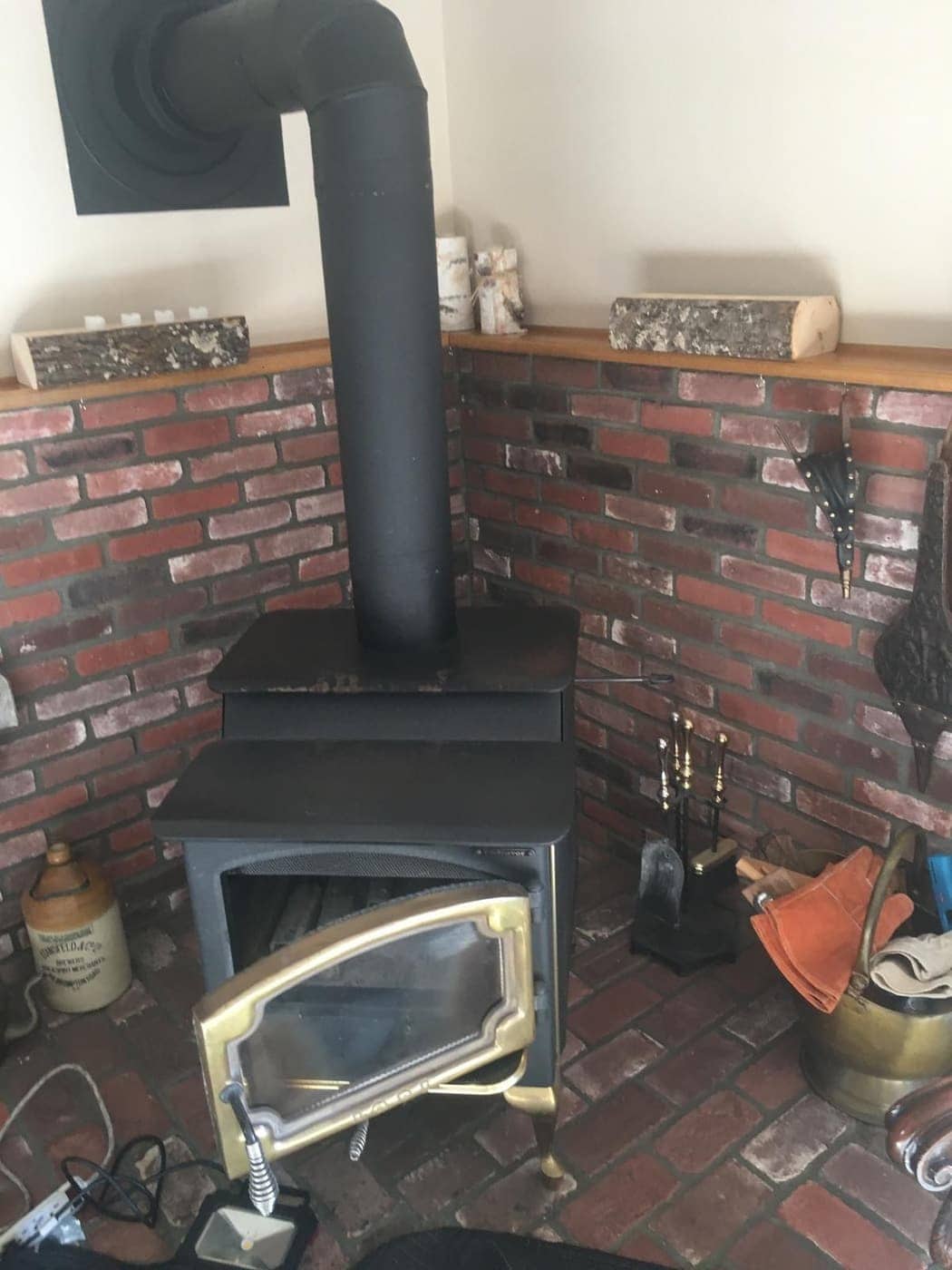
We work on the appliance itself: a wood-burning insert with a stuck damper and a worn gasket, or a gas log set whose pilot won’t hold a flame. Pilot and thermocouple testing, damper and door-gasket service, and a full sweep of the wood-burning units, out of Readington Township.
The short answer
Yes. We service the fireplace or stove itself as well as the chimney above it. A wood insert or stove gets swept, a gas log set that won’t stay lit gets its pilot and thermocouple tested, and a sticking damper or flattened gasket gets freed or replaced. Hunterdon County’s heating-fuel survey counts primary fuel only (2.5% of homes, 1,269 households, burn wood as that fuel) and it says nothing about the stove that runs on weekends or the fireplace lit three nights a winter. Neither one stops needing a look.
A number that only measures part of the picture
Hunterdon County’s heating-fuel survey records the PRIMARY heat source only, one box per household: 45.8% mains gas, 30.0% fuel oil, 2.5% wood, 1,269 homes. In Readington Township itself, wood as primary heat is 167 households, 2.6%. Neither number has a column for a wood stove that supplements an oil furnace, a gas insert added for ambience, or a masonry fireplace lit a few cold nights and left empty the rest of the winter. Every one of those appliances is invisible to the survey and still needs the same attention.
- Wood-burning inserts and free-standing stoves
- Gas log sets and gas fireplace inserts
- Factory-built, zero-clearance metal fireboxes
- Open masonry fireplaces used only a few nights a winter
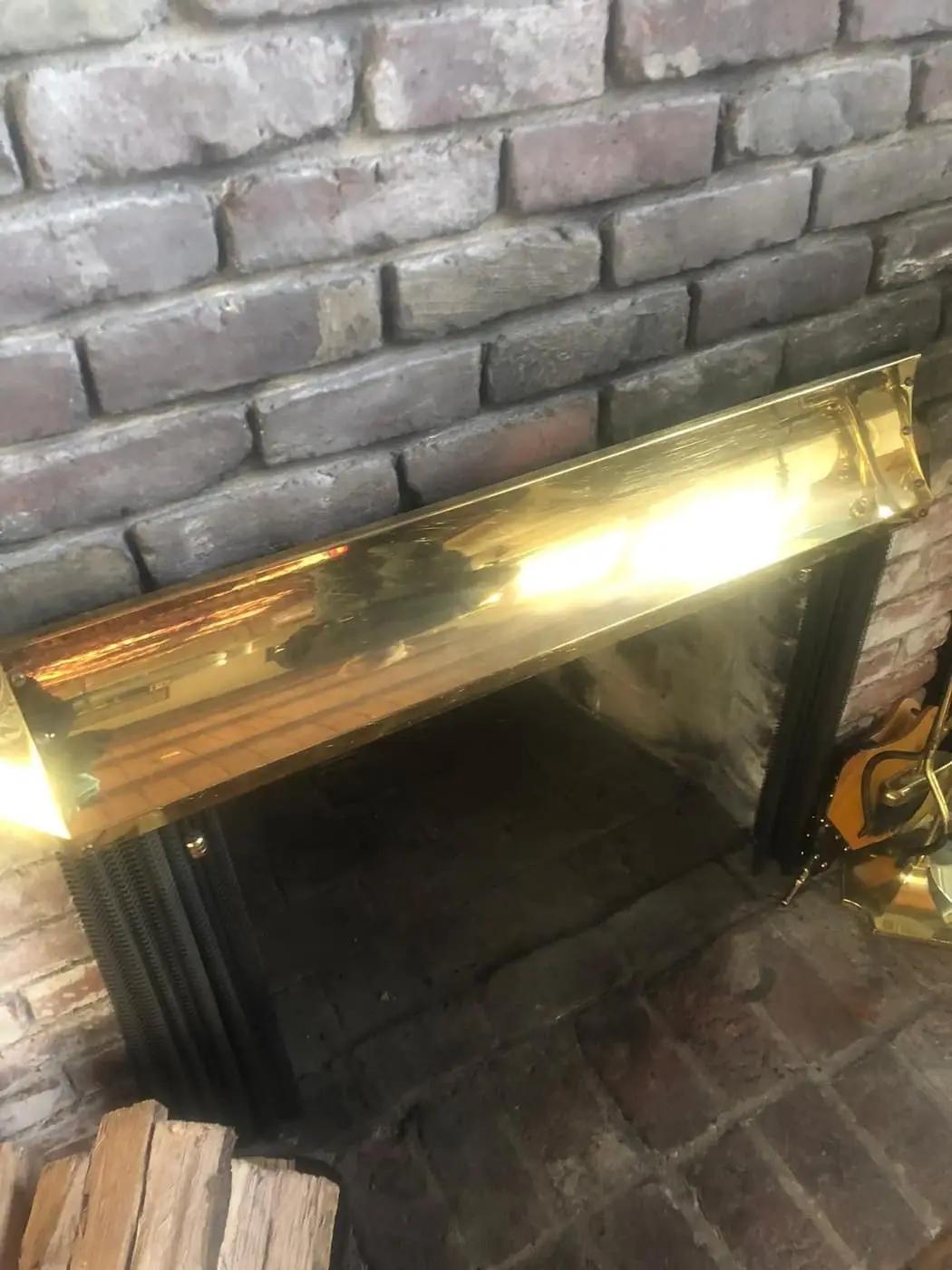
The survey asks what heats your house all winter. It doesn’t ask what you light on a cold Friday night.
Pilot lights, thermocouples and gas log sets
A gas log set that lights and then drops the moment you release the knob is almost always the thermocouple: the sensor rod that tells the gas valve a flame is lit. We test the pilot flame, check the thermocouple’s output, and replace it when it reads low, along with the pilot orifice if soot has closed it down. On a standing-pilot system we also check the gas valve for a slow leak past the seat, which can smell like gas even with the pilot supposedly out.
Dampers and door gaskets on wood-burning units
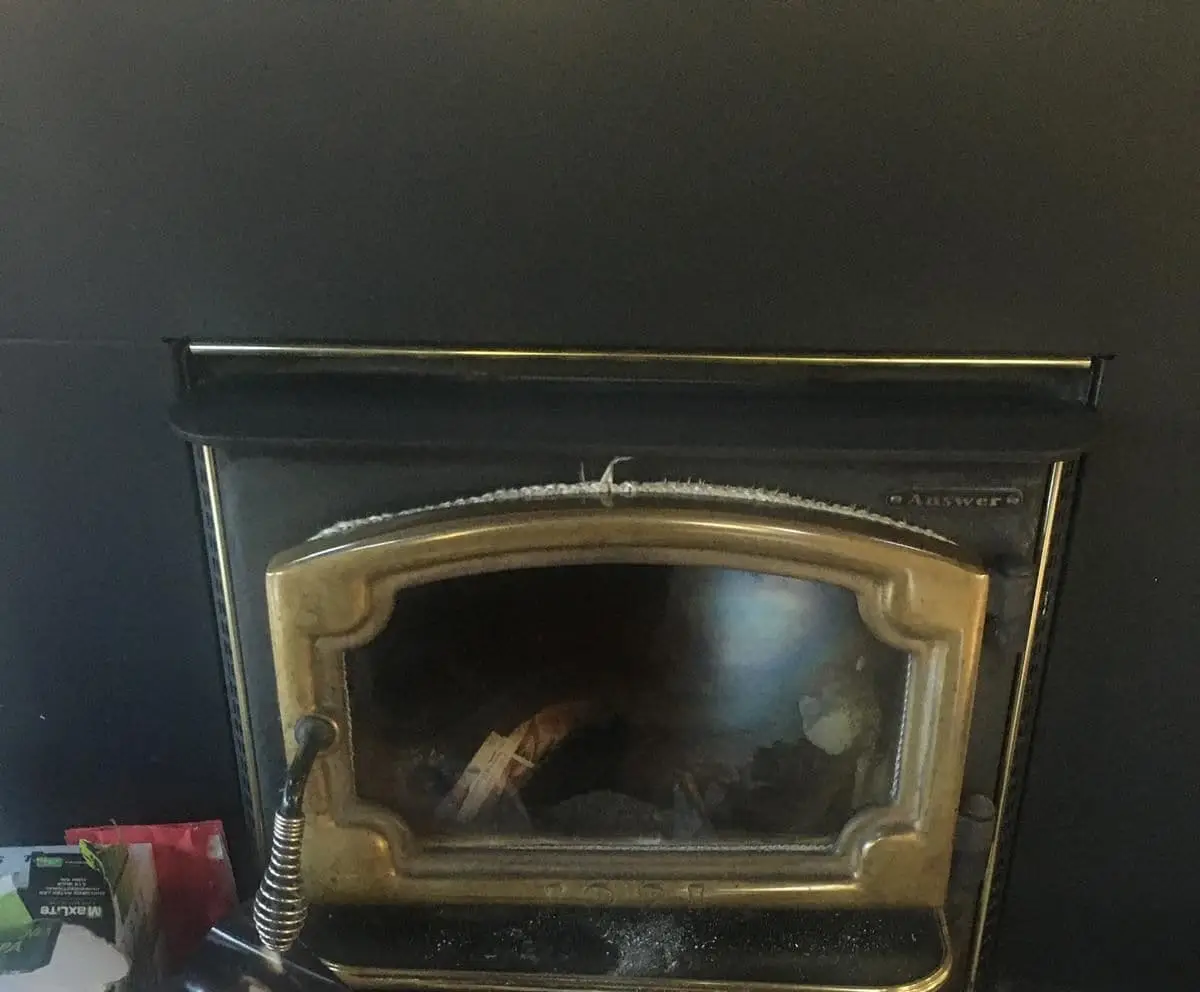
A damper that won’t close sends heated air up the flue all day. One that won’t open pushes smoke back into the room once a wood fire gets going. We free a damper that has rusted or warped in place and reset the throat or plate so it seats evenly. On an insert or a stove, the door gasket fails quietly: a rope gasket gone flat lets in extra air, runs the fire too hot, and burns through wood faster with no visible sign anything is wrong.
- Damper throat and top-sealing plate adjustment or replacement
- A rusted or warped damper freed and reset to a full seal
- Door and glass gasket replacement on inserts and stoves
- Flue collar and connector-pipe check where the stovepipe meets the chimney
The appliance and the flue behind it, in one visit
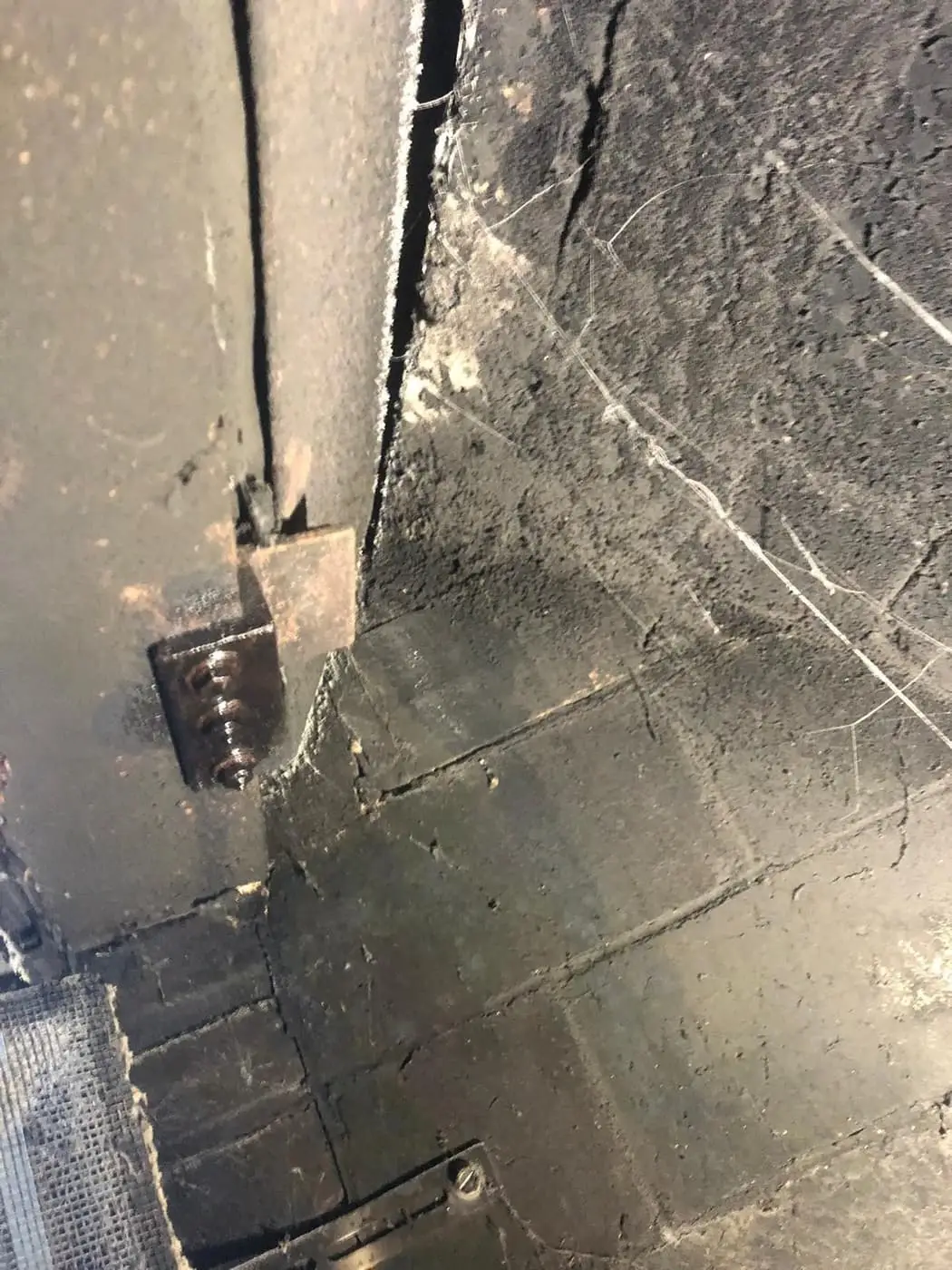
NFPA 211 calls for chimneys and connector pipes to be inspected at least once a year, and names creosote from solid-fuel burning as the leading contributing factor in home heating fires. That is why a wood stove visit always includes a look inside the flue as well as at the appliance. A stove with a spotless glass door can still vent into a flue nobody has swept in years. A gas log set gets the same pairing for a different reason: its exhaust runs cooler and wetter than wood, and a flue lined for the old appliance doesn’t automatically suit the one that replaced it.
From our Google listing
Fireboxes as we find them
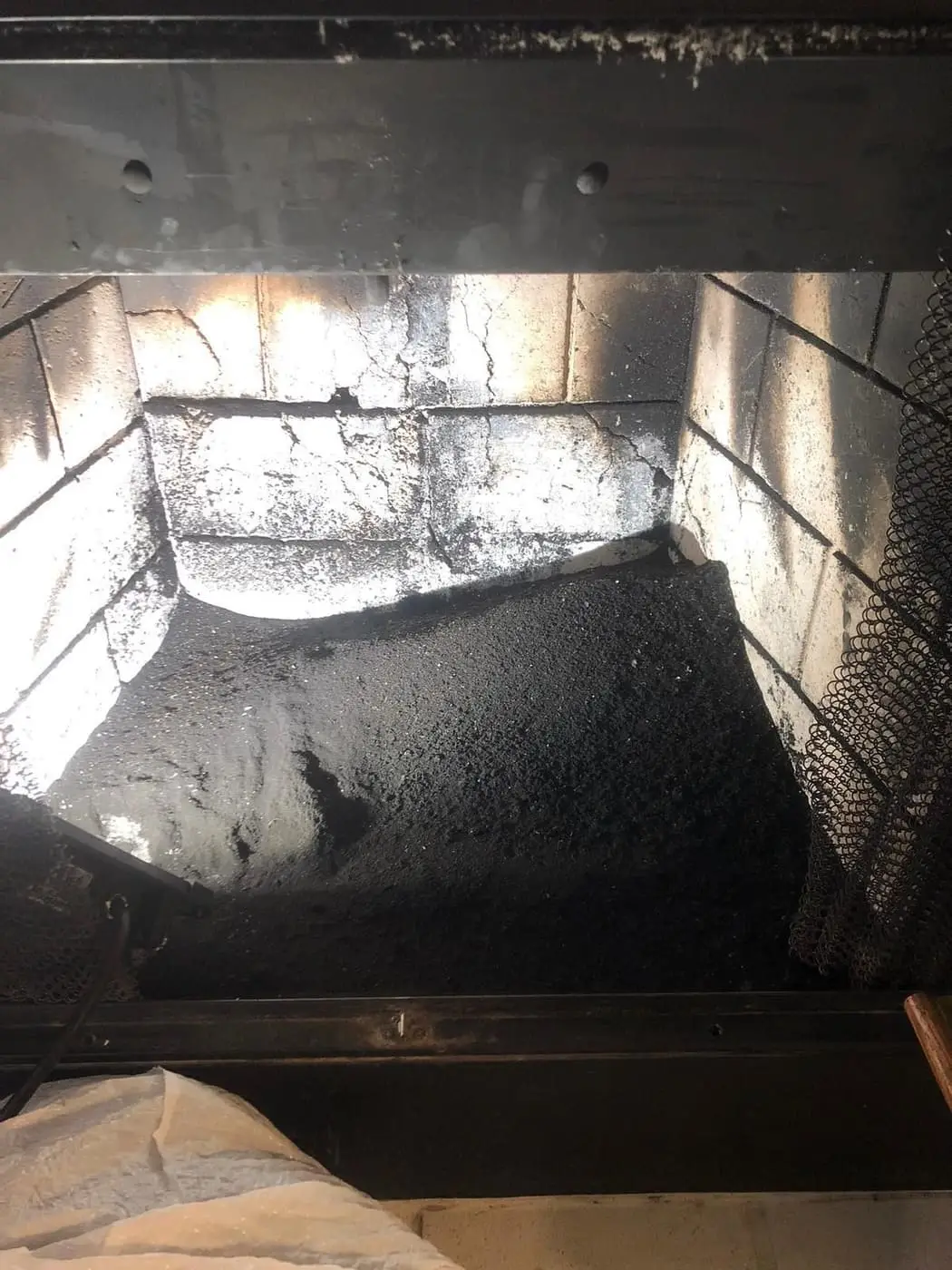
Soot collected on the floor of a metal-framed fireplace
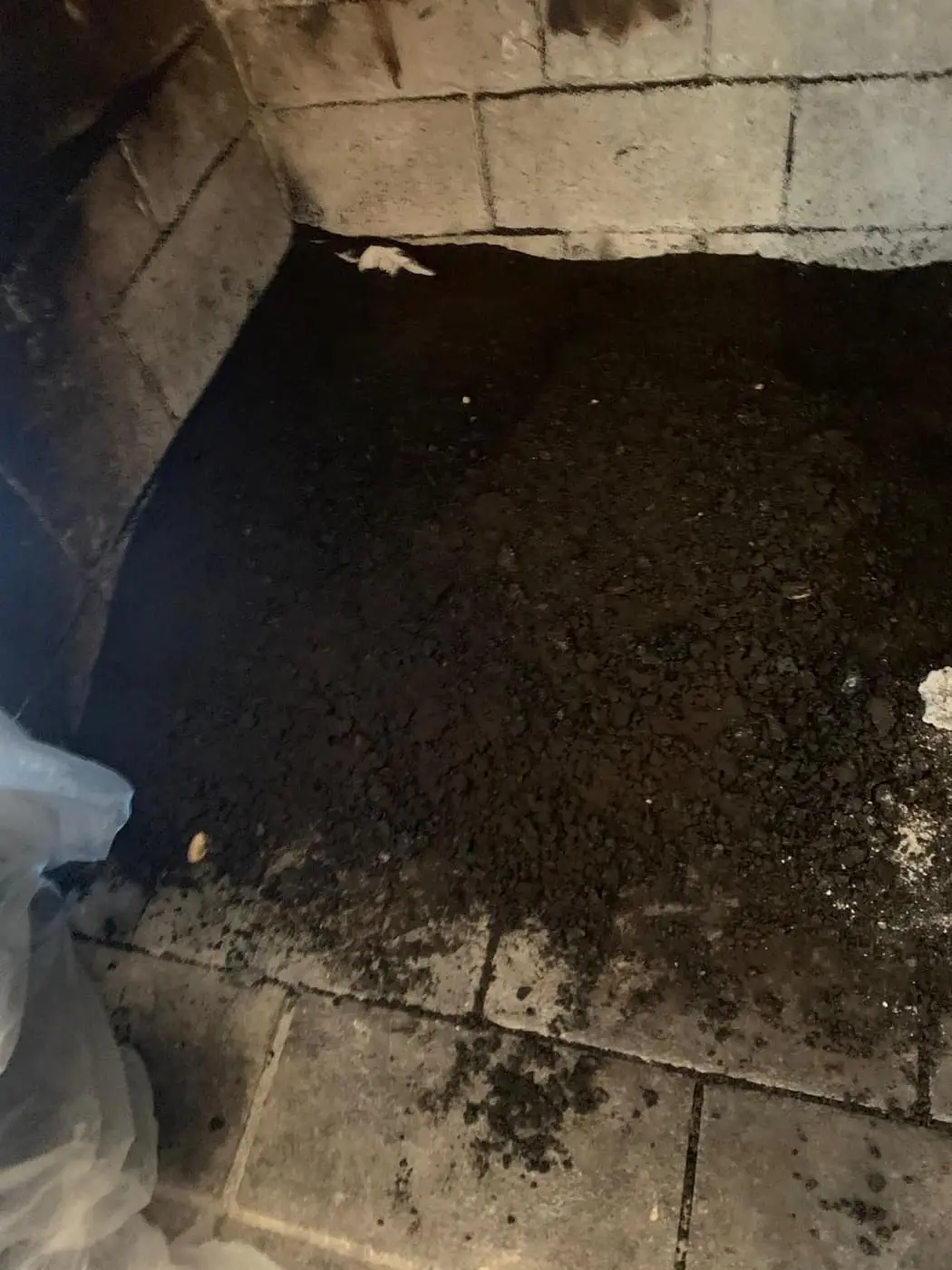
Soot and debris on a firebox floor, with plastic sheeting at the opening
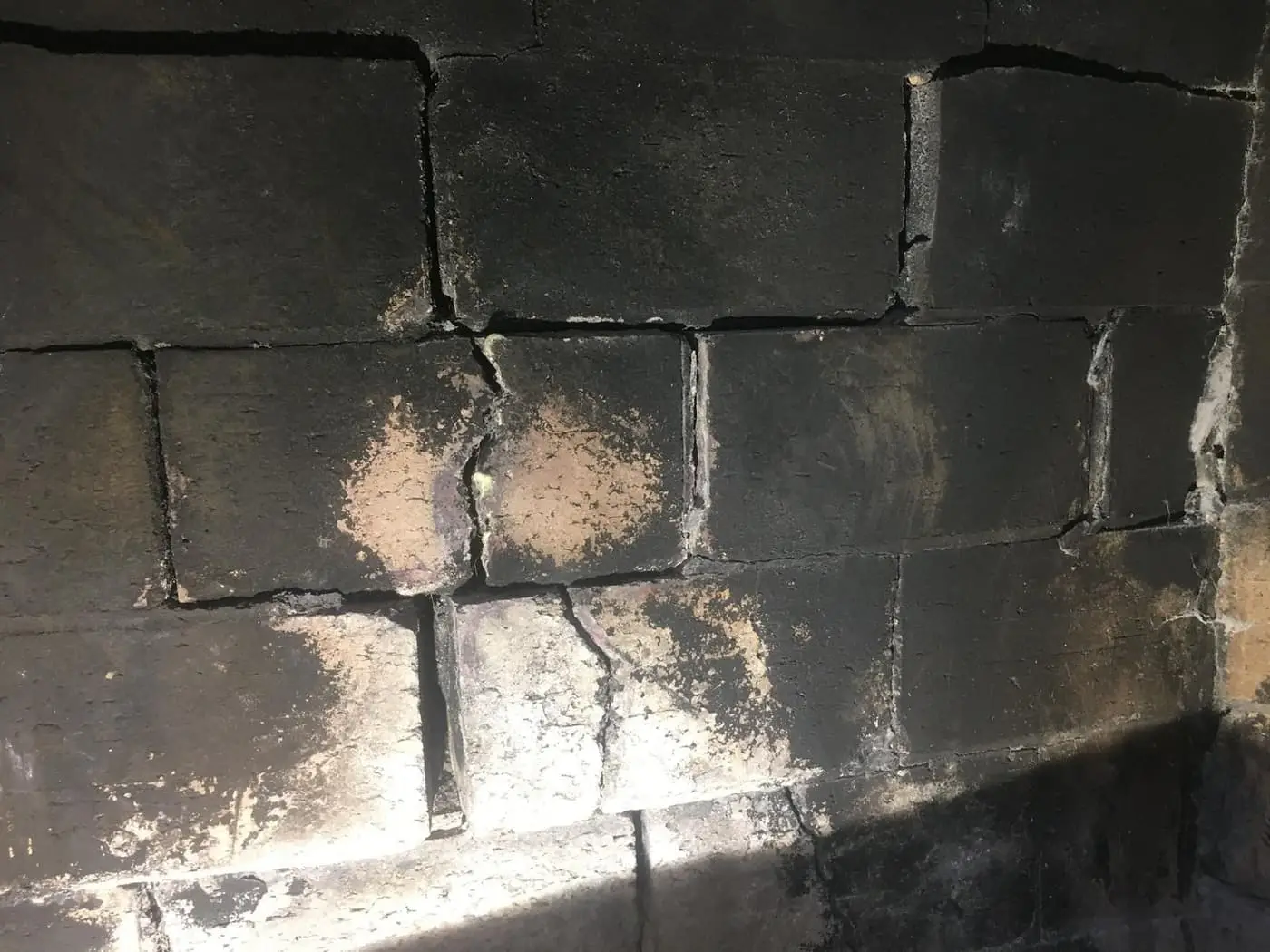
Cracked firebrick darkened by soot inside a fireplace
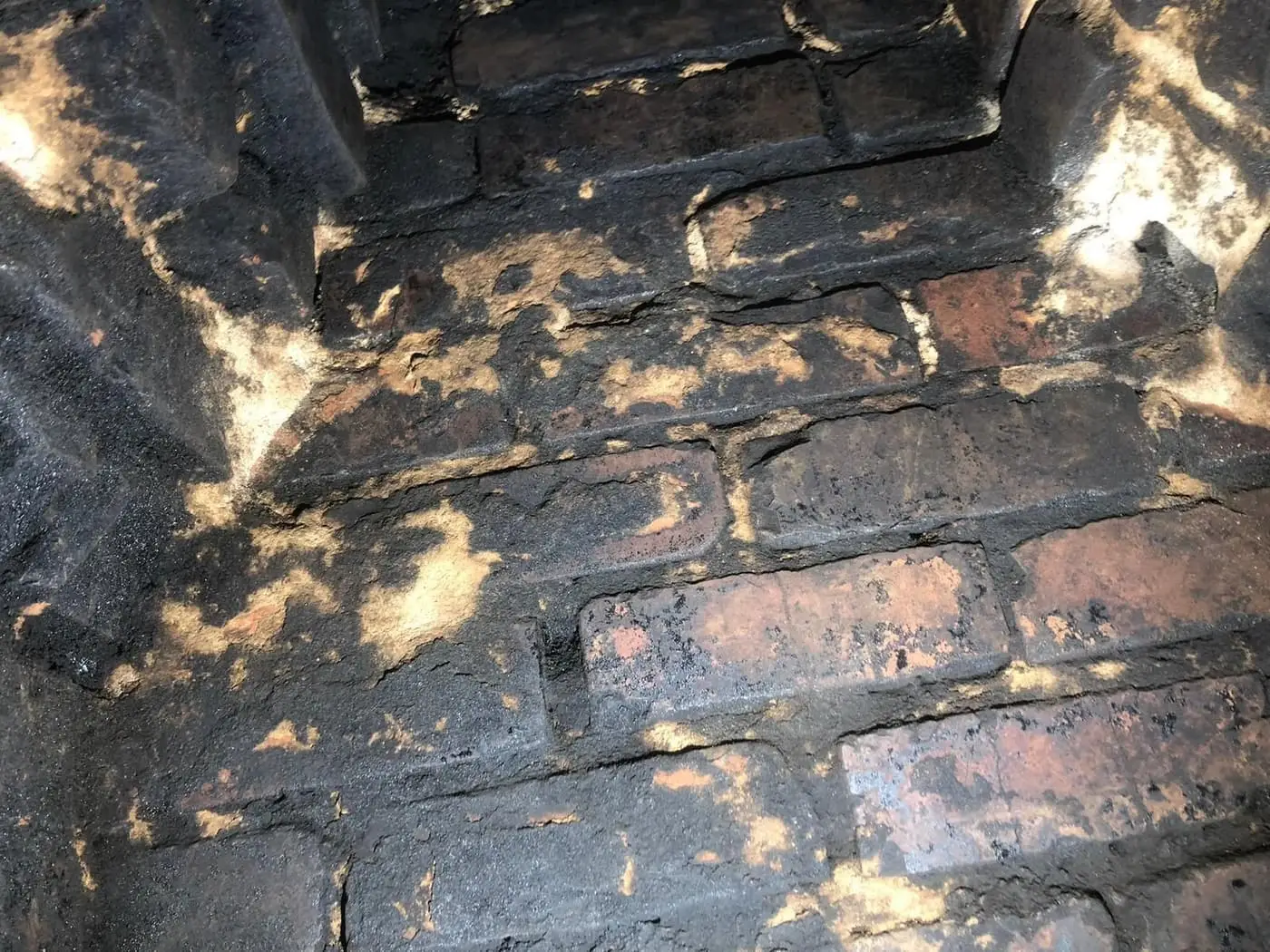
Black, shiny creosote on the brick inside a chimney
What Readington homeowners are saying
A selection of our 5-star reviews on Google.
Work was carried out by an expert who knew just what proportions of air to fuel were required for a brick fireplace system to burn cleanly.
It was no longer a strong pick. The service fixed the damper and got rid of the sticky creosote. Now it's easy to start fires and they burn constantly. Every time we light it, we can see the difference.
Top-notch service! They showed up right on time, which is rare these days. The technician took the time to explain everything and showed me exactly how much soot was clogging the flue. Fast, clean, and very reasonably priced. I will definitely be using them every year from now on!
Fireplace and stove service questions
Do you work on gas fireplaces, or only wood-burning ones?
Both. Gas log sets get a pilot and thermocouple test the same visit a wood insert or stove gets swept, and a damper or gasket gets serviced either way.
I only light my fireplace a few times a winter. Does it still need a yearly look?
Yes. The county’s heating-fuel count only tracks primary fuel, so an occasional wood fire never shows up in it, and NFPA 211 still calls for an annual inspection.
Does a gas log insert still need the chimney swept?
Yes, though a gas flue needs a different check than a wood flue: correct venting and liner condition rather than creosote.
Can you replace a door gasket on a wood stove, or does that need the manufacturer?
We replace door and glass gaskets on inserts and stoves as part of the same visit. It’s routine maintenance.